
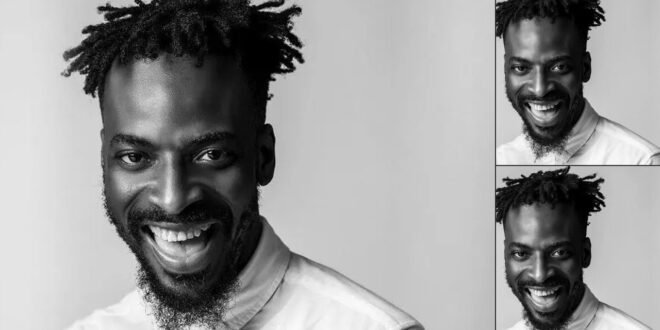
Nigerian singer 9ice is sparking a conversation about the intersection of faith and national progress. During a recent interview, the artist questioned whether a deep reliance on religious practices is hindering the country’s ability to solve its own problems. It’s a bold take that touches on a sensitive nerve in a deeply spiritual society.
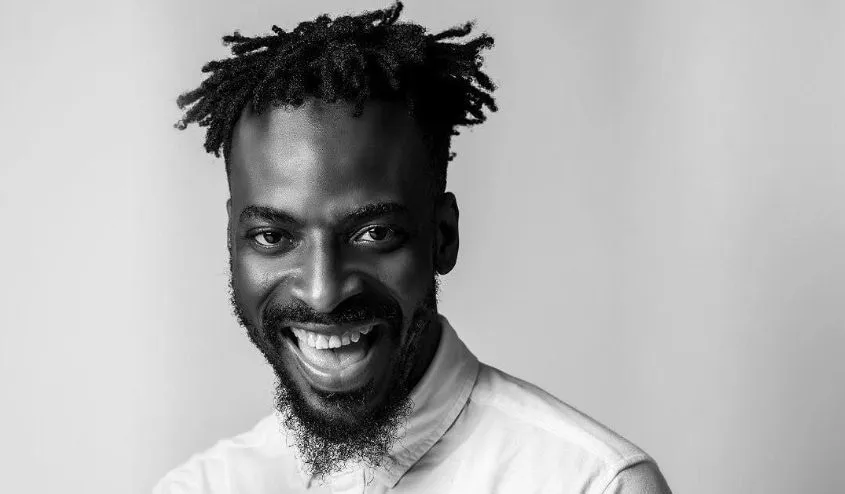
For many in Nigeria, the church and mosque are central to daily life and communal support. While faith provides comfort, there’s a growing debate about whether this spiritual devotion sometimes replaces civic action. 9ice’s comments reflect a wider frustration with the slow pace of development despite high levels of religious activity.
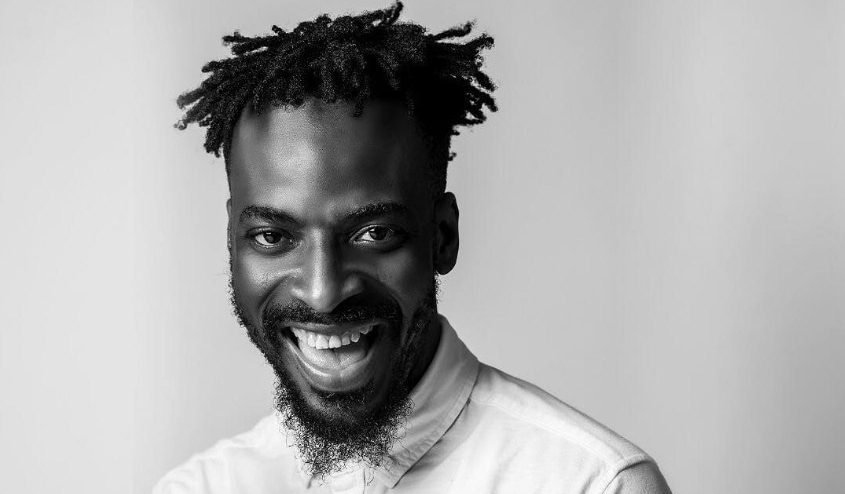
Speaking with Gold Myne TV, the musician highlighted a habit of seeking divine intervention for manageable issues. “A lot of Nigerians spend most of their time in church in the name of weekly services. They pray over everything, including things they should fix themselves,” 9ice said. He further contrasted this with Western societies, noting, “If you go to London, nobody goes to church there yet they are better than Nigeria. They go to work on Sundays but Nigerians go to church.”
This perspective suggests that national growth requires a shift from passive hope to active problem-solving. By prioritizing work and practical infrastructure over constant worship, 9ice argues that the country could see more tangible improvements. The conversation pushes people to consider if their spiritual routines are complementing or replacing their responsibilities.
This isn’t the first time public figures have questioned the role of religion in governance and development. The tension between faith-based hope and systemic change remains a recurring theme in West African discourse. As the country faces ongoing economic challenges, the call for practical solutions continues to grow louder.