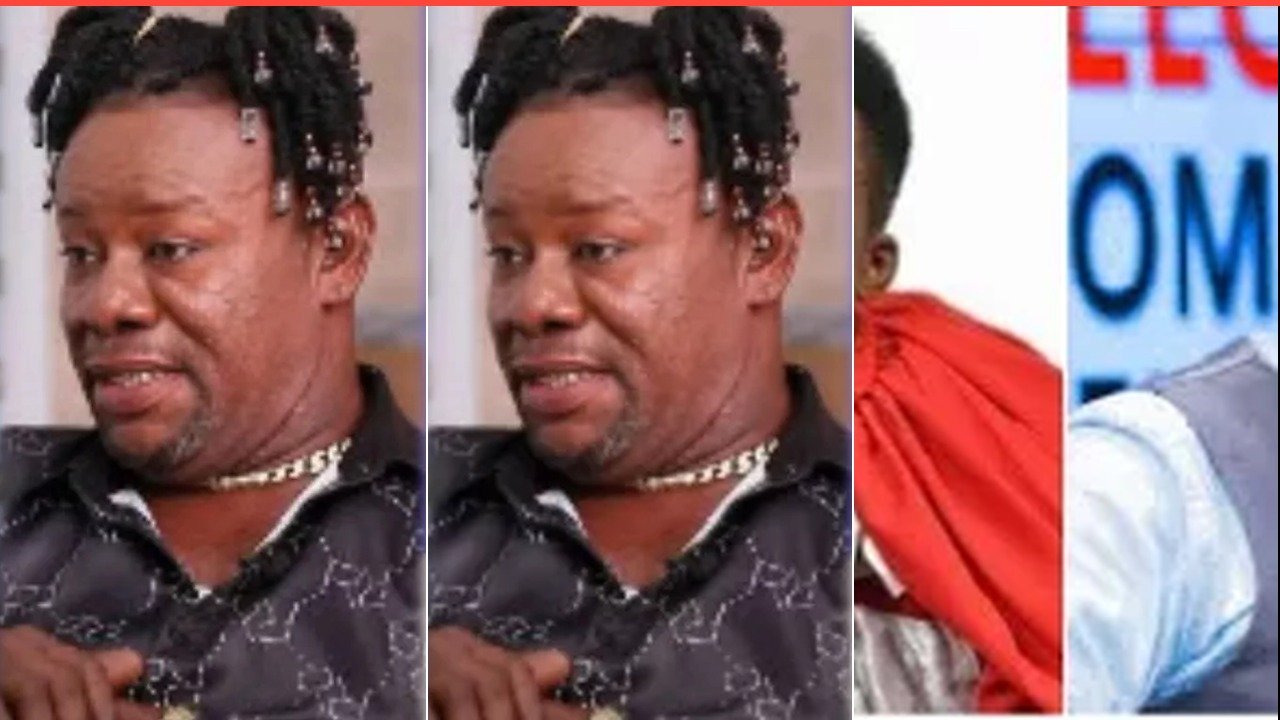
The Ghanaian entertainment scene is buzzing after Kumawood actor Nana Yeboah made some bold pronouncements regarding the memorial observances for two prominent figures. Yeboah, known for his roles in movies and as part of the ‘Team Legal Wives’ crew, attended the one-week observation for the late gospel musician Yaw Sarpong. His observations, however, have ignited a fiery debate across social media and among fans of both Sarpong and highlife legend Daddy Lumba.
Yeboah’s comments center around a comparison between Yaw Sarpong’s one-week memorial and Daddy Lumba’s one-week observation and subsequent funeral. According to the actor, Sarpong’s memorial surpassed Lumba’s in terms of overall impact and attendance. These remarks have stirred considerable controversy, with many questioning the appropriateness of comparing such deeply personal and culturally significant events.
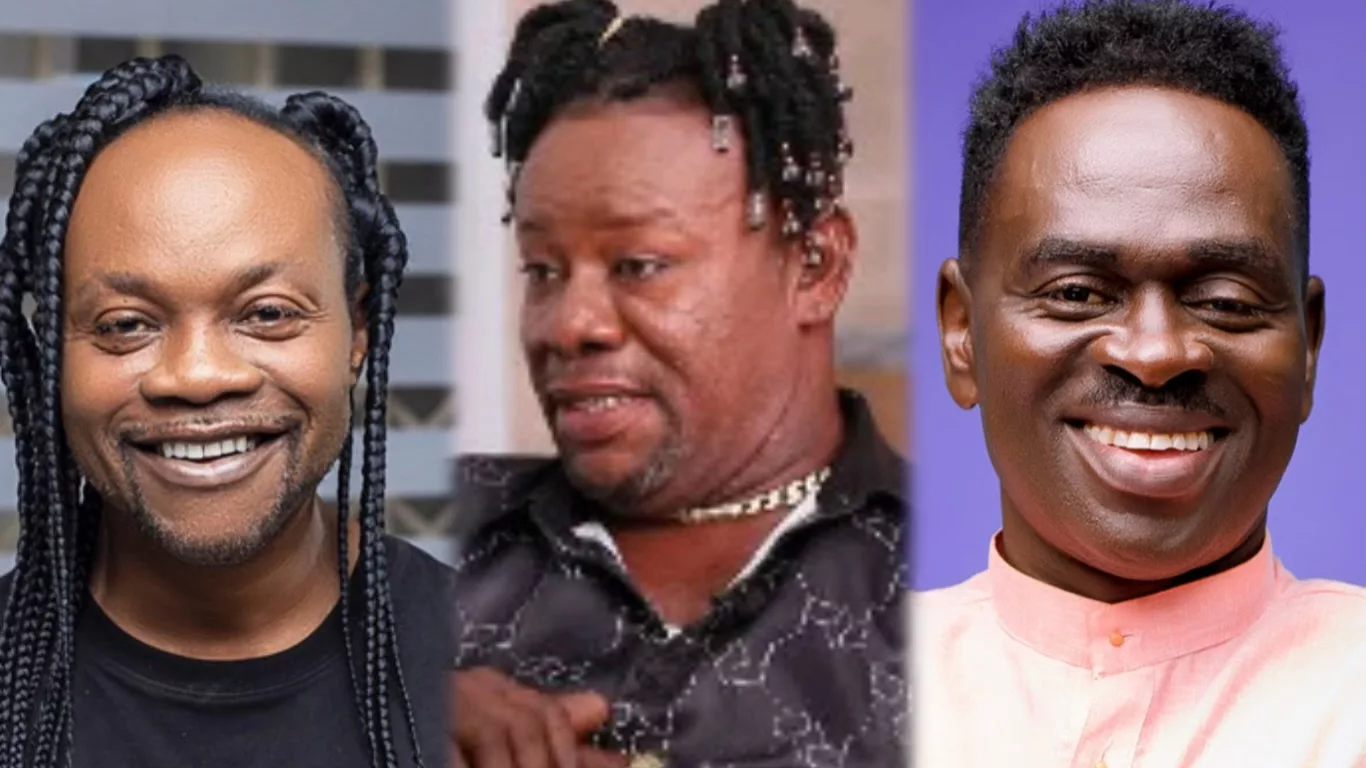
Yeboah elaborated on his perspective, highlighting the visual aspects of each event. He stated that the decorations and overall ambiance at Yaw Sarpong’s one-week observation were significantly more impressive than those at Daddy Lumba’s funeral and one-week combined. Such a statement has been perceived by some as insensitive to the solemnity of the occasions.
Adding fuel to the fire, Yeboah also commented on the presence of fellow musicians. He noted that Yaw Sarpong’s one-week observation saw a greater turnout of prominent personalities from the music industry compared to Daddy Lumba’s funeral. This perceived difference in attendance has been interpreted by some as a reflection of the artists’ respective influence and networks within the Ghanaian music landscape.
The comments made by Nana Yeboah have triggered a wider conversation about Ghanaian funeral culture, respect for the deceased, and the role of celebrities in memorial events. Many fans are expressing their disagreement with Yeboah’s public comparison, deeming it disrespectful to the families and legacies of both Yaw Sarpong and Daddy Lumba. The controversy serves as a reminder of the power of public statements and their potential impact on sensitive cultural matters.
While Yeboah’s intention might have been to celebrate Yaw Sarpong’s life and legacy, his comparison has inadvertently sparked division. The incident underscores the complexities of navigating public grief and the importance of considering the emotional weight of such events. It remains to be seen how the families of the deceased artists will respond to the ongoing debate.
The controversy also highlights the evolving nature of memorial events in Ghana. With increasing media coverage and social media engagement, funerals and one-week observations are becoming increasingly public affairs. This raises questions about the balance between honoring the deceased and maintaining the privacy and dignity of the grieving families.
Ultimately, the incident serves as a reminder that even well-intentioned comments can have unintended consequences. As the debate continues, it is crucial to approach the discussion with sensitivity and respect for all involved. The legacies of Yaw Sarpong and Daddy Lumba will undoubtedly endure, regardless of the opinions expressed in the wake of their passing.