
Gospel music star Celestine Donkor has ignited a firestorm of discussion with her unconventional take on faith and self-belief. In a recent interview, the award-winning artist shared a powerful message that challenges traditional perspectives. Her words are resonating with many, sparking both agreement and controversy across social media platforms. Donkor’s perspective offers a unique and potentially empowering lens for navigating life’s challenges.
During a televised conversation, Donkor was asked what advice she would give to her younger self and today’s youth. Her response was both surprising and thought-provoking: prioritize believing in yourself *before* placing your faith in a higher power. She argued that self-belief is the crucial first step toward unlocking one’s potential and fulfilling their God-given purpose. It is a statement that has caused many to re-evaluate their own spiritual journeys.
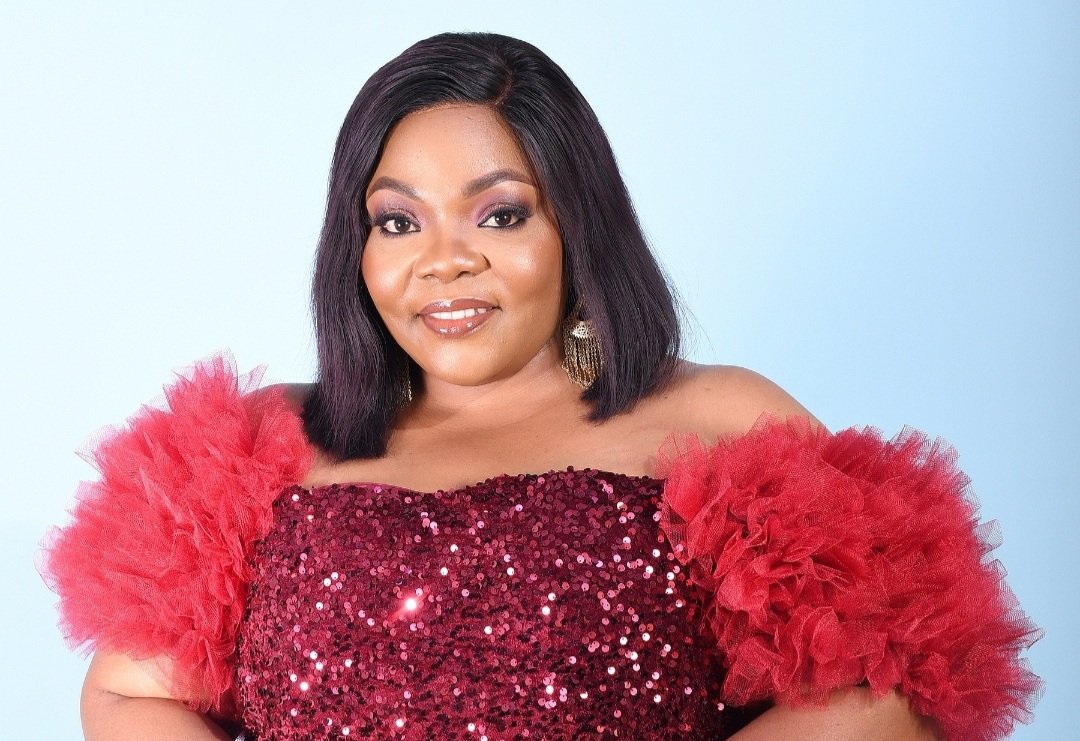
Donkor elaborated on her point, stating that even if a divine being believes in you, success is unattainable without personal conviction. She emphasized that a lack of self-belief can hinder the manifestation of divine plans for your life. This highlights the importance of recognizing one’s own inherent worth and capabilities. It’s about acknowledging the power within to overcome obstacles and achieve dreams.
The singer passionately urged young people to recognize their own inherent value and boundless potential. She portrayed self-assurance as the foundational bedrock upon which God’s plans can be realized. According to Donkor, by believing in oneself, one can effectively silence negativity and conquer any adversity. Her words act as an encouragement for people to chase their dreams.
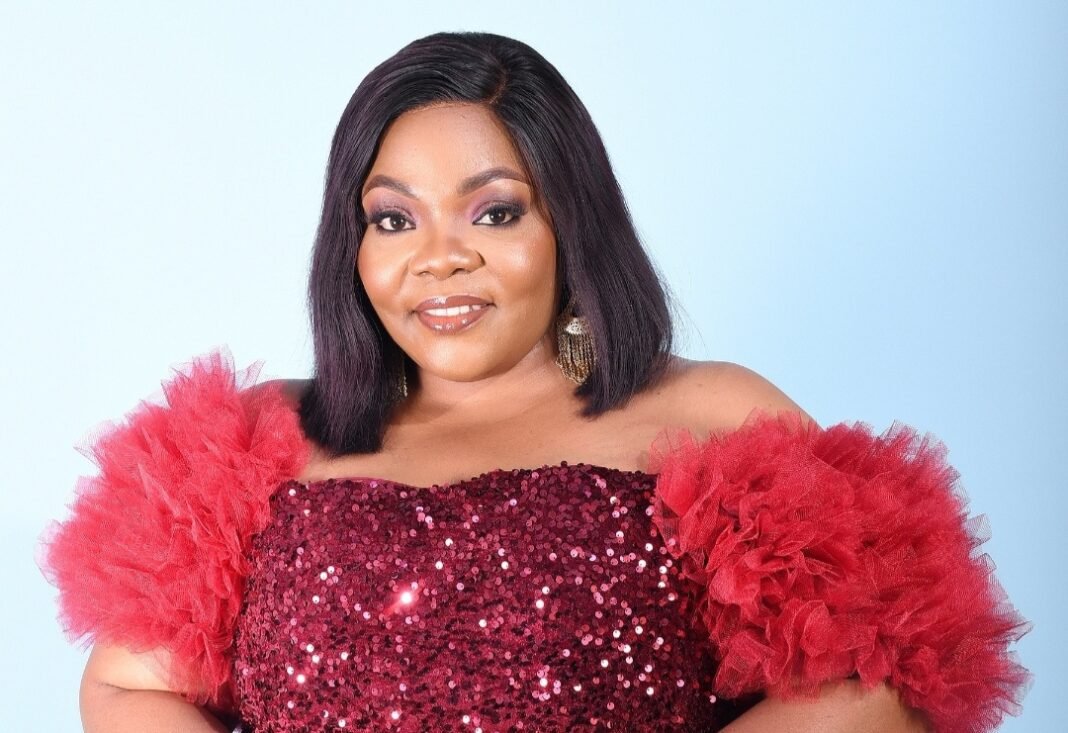
Donkor’s comments have sparked a wider conversation about the interplay between faith, self-esteem, and personal agency. Some interpret her message as a call to take responsibility for one’s own destiny. They see it as a reminder that divine intervention often requires human action and self-belief. This perspective encourages individuals to actively participate in shaping their lives.
Others have expressed concerns, arguing that prioritizing self-belief could diminish the importance of faith and reliance on a higher power. They believe that true strength comes from surrendering to divine will, not from self-reliance. This viewpoint emphasizes the importance of humility and dependence on a power greater than oneself. Ultimately, the debate highlights the diverse interpretations of faith and its role in personal development.
Regardless of one’s interpretation, Celestine Donkor’s bold statement serves as a powerful catalyst for introspection and dialogue. It encourages individuals to examine their beliefs about faith, self-worth, and the pursuit of purpose. Whether you agree or disagree with her perspective, it’s undeniable that her words have struck a chord with many. The conversation will likely continue as people grapple with the implications of her message.
The future remains to be seen how this bold advice will influence the younger generation. Will her words encourage more young people to believe in themselves and pursue their goals? Will it create a shift in how people approach their faith and personal development? Only time will tell, but one thing is certain: Celestine Donkor has undoubtedly left a lasting impression.