
In a move signaling renewed fiscal confidence, the Ghanaian government has successfully disbursed GH¢10 billion towards interest obligations under the Domestic Debt Exchange Programme (DDEP). This substantial payment marks a critical step in the nation’s ongoing efforts to stabilize its economy and reassure both domestic and international investors. The hefty sum underscores the government’s commitment to meeting its financial responsibilities despite facing significant economic headwinds. This development offers a glimmer of hope for Ghana’s financial future.
The Ministry of Finance confirmed the payment, highlighting it as the sixth coupon settlement under the DDEP. Notably, this is only the second instance where the payment was made entirely in cash, without relying on Payment-In-Kind (PIK) components. The reliance on full cash payments showcases the government’s improved liquidity position and its determination to avoid further complicating the debt landscape. This decisive action is intended to foster greater trust and predictability in Ghana’s financial markets.
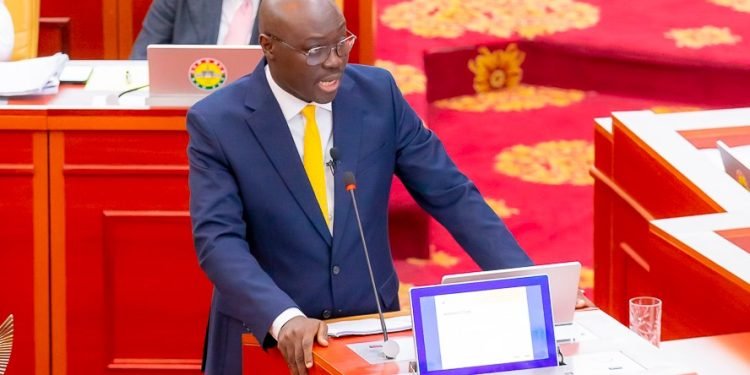
The government’s announcement emphasized that the settlement addresses cedi-denominated DDEP coupon obligations. This aligns directly with the restructuring memorandum established for the DDEP and supports the broader national debt management and fiscal consolidation strategy. By diligently adhering to the agreed-upon terms of the DDEP, the government aims to create a stable and predictable environment for investors and creditors alike. The focus on cedi-denominated obligations reflects the government’s commitment to strengthening the local currency and fostering domestic economic growth.
Experts believe this timely payment will have a ripple effect, boosting market confidence and positively influencing Ghana’s credit outlook. Successfully meeting these obligations sends a strong message to the global financial community that Ghana is actively managing its debt and is committed to honoring its financial commitments. The improved market sentiment could pave the way for more favorable borrowing terms in the future and attract increased foreign investment. This could, in turn, stimulate economic growth and create new opportunities for Ghanaian businesses and citizens.

However, challenges remain as Ghana continues to navigate a complex economic landscape. Maintaining this positive momentum will require sustained fiscal discipline, strategic economic planning, and continued engagement with both domestic and international stakeholders. The government must continue to prioritize responsible debt management and implement policies that foster sustainable economic growth. Only through these concerted efforts can Ghana secure a stable and prosperous future for its citizens.
Beyond the immediate financial implications, the successful payment of these obligations demonstrates the government’s commitment to transparency and accountability. By communicating clearly and consistently about its debt management strategy, the government aims to build trust with its citizens and the international community. This transparency is crucial for attracting investment and ensuring the long-term stability of the Ghanaian economy. This move promotes a sense of responsibility and dedication to Ghana’s economic future.

Looking ahead, the focus will be on sustaining this positive trajectory and implementing further reforms to strengthen Ghana’s economic foundation. Continued progress on fiscal consolidation, combined with strategic investments in key sectors, will be essential for achieving long-term economic stability and growth. The nation’s ability to manage its debt effectively will ultimately determine its ability to attract investment, create jobs, and improve the living standards of its citizens.
The government’s recent actions reflect a proactive approach to addressing the nation’s financial challenges, with potential long-term benefits. This payment marks a significant step towards economic recovery, but continued vigilance and strategic planning are crucial for ensuring lasting prosperity for Ghana.