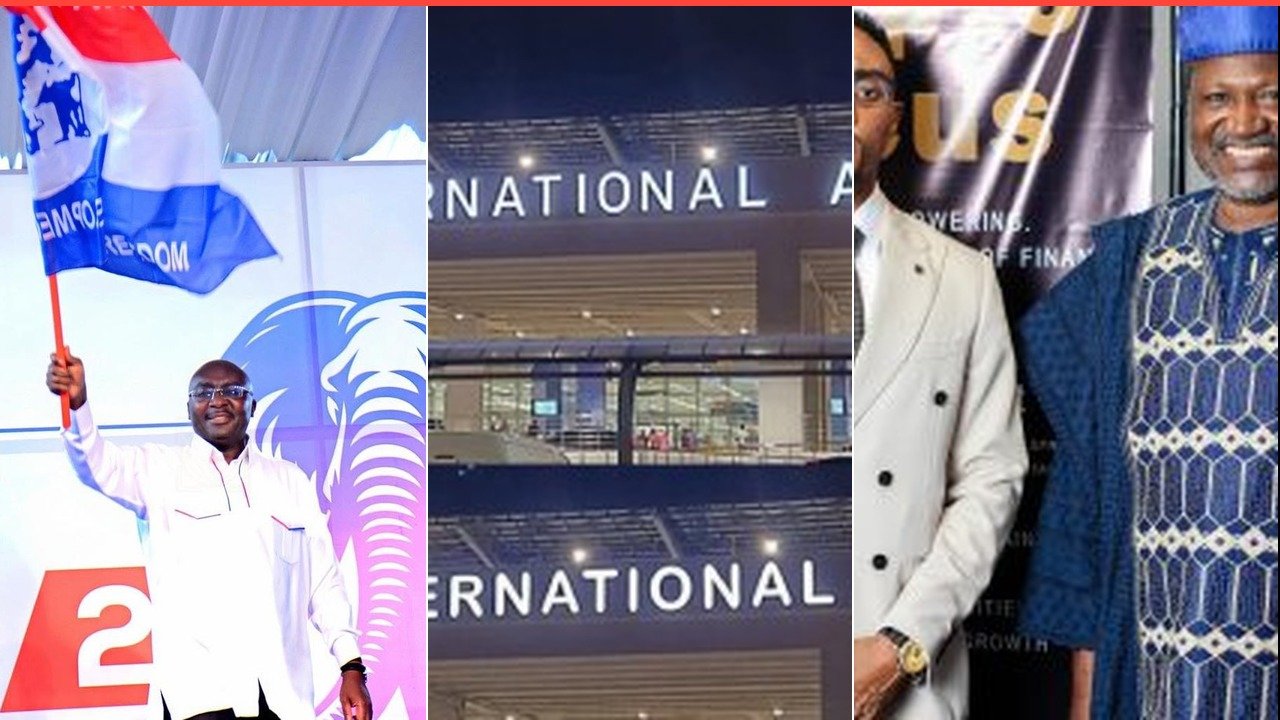
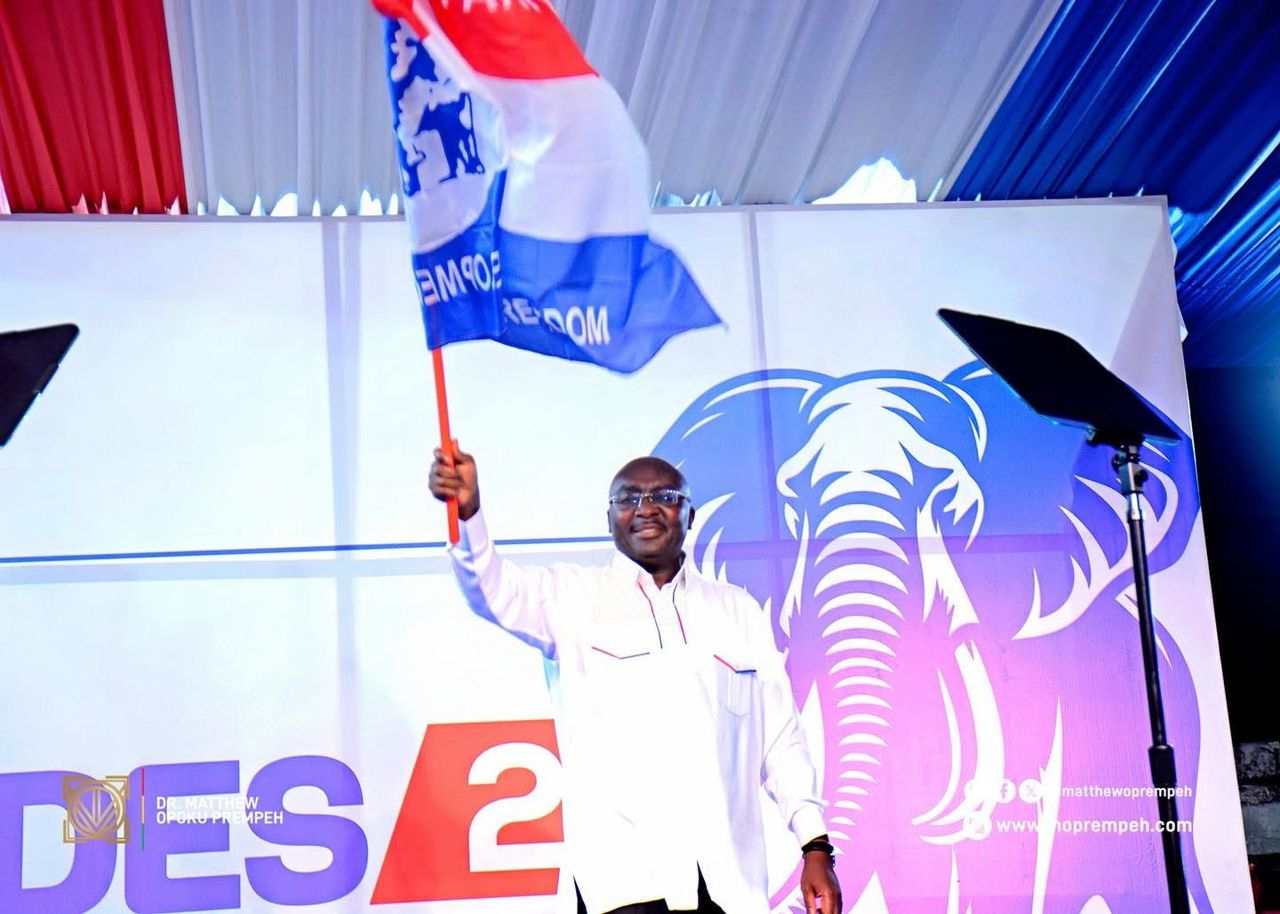
Dr. Mahamudu Bawumia’s recent victory in the New Patriotic Party (NPP) presidential primaries has sent ripples through Ghanaian politics. Beyond securing his position as the party’s flagbearer, the win is being touted by some as a potential game-changer, capable of dismantling long-held stereotypes and neutralizing opposition strategies in the lead-up to the 2024 elections. The narrative surrounding the NPP, often painted with broad strokes of ethnic and religious dominance, is now facing a significant challenge.
Samuel Atta Akyea, a prominent figure within the NPP, believes Bawumia’s ascent has effectively disarmed the National Democratic Congress (NDC), the main opposition party. He contends that the NDC had been preparing to leverage perceived biases within the NPP for political gain, particularly focusing on the party’s alleged Akan and Christian leanings. Bawumia’s emergence as the flagbearer, according to Atta Akyea, throws a wrench into those plans by showcasing the party’s commitment to meritocracy over ethnic or religious considerations.
“This victory speaks volumes about the values we uphold as a party,” Atta Akyea stated in a recent interview. “It demonstrates that competence and leadership are the defining factors, not ethnicity or religious affiliation.” He highlighted Bawumia’s background as a Muslim from the north as undeniable proof that the NPP is not beholden to any single demographic or religious group. The former MP sees the outcome as a testament to the party’s evolving identity and its willingness to embrace diversity at the highest levels.

However, the notion that Bawumia’s victory completely silences the opposition is a point of debate. While it undoubtedly complicates the NDC’s previous line of attack, political analysts suggest that it merely forces them to recalibrate their strategy. The NDC is likely to shift its focus towards other areas, such as economic performance, governance, and social issues, to challenge the NPP’s platform. The political landscape remains dynamic and multifaceted.
The implications of Bawumia’s victory extend beyond mere political maneuvering. His presence as a leading candidate could reshape the national conversation about identity, inclusion, and representation in Ghanaian politics. By challenging the established narratives, he has the potential to create a more inclusive and representative political environment. Whether this potential will be fully realized remains to be seen, as the upcoming election will serve as a crucial test of the shifting political dynamics.
Ultimately, Bawumia’s triumph represents a pivotal moment for both the NPP and the broader Ghanaian political sphere. While its impact on the NDC’s strategies is significant, the long-term effects on the country’s political discourse and future leadership remain to unfold. The coming months will reveal whether this victory truly marks a turning point towards a more inclusive and merit-based political landscape in Ghana.