
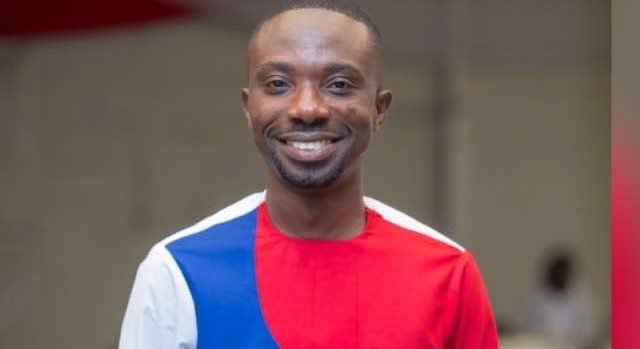
Are Ghana’s touted macroeconomic achievements truly benefiting the average citizen, or are they just impressive figures on paper? That’s the question being posed by Dennis Miracles Aboagye, a leading voice for the Bawumia campaign, who suggests that the nation’s economic narrative may not align with the daily realities faced by ordinary Ghanaians. While acknowledging recent improvements in key economic indicators, Aboagye is challenging the narrative of widespread prosperity, urging a closer look at the lived experiences of the population.
Aboagye, speaking on a recent news program, emphasized that the ultimate measure of economic success lies in its impact on the microeconomy, the everyday financial lives of individuals and families. He argued that impressive macroeconomic indicators are meaningless if they fail to translate into tangible improvements in the lives of the average Ghanaian. He stated that if these improvements are not felt at the individual level, then the macroeconomy is not serving its people.
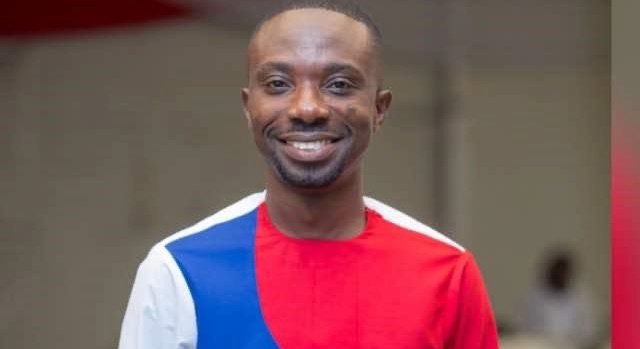
His comments come at a time when the government has been highlighting significant strides in areas such as inflation reduction and economic growth. However, Aboagye contends that these positive statistics may be masking the struggles of many, particularly those who are not directly involved in international trade or benefiting from currency fluctuations. He points to the persistent challenges faced by workers, such as long commutes and the rising cost of living, as evidence that the benefits of economic growth are not being evenly distributed.
Aboagye illustrated his point by referencing the daily struggles of Ghanaian workers, many of whom endure grueling commutes, waking up before dawn to reach their workplaces on time. He argues that while importers and those dealing in foreign currencies may be reaping the rewards of recent policies, the everyday worker is still grappling with the same old challenges. This disparity, he suggests, highlights a fundamental disconnect between the macro-level economic narrative and the micro-level realities faced by a significant portion of the population.
The debate over Ghana’s economic performance underscores a critical question: how do we ensure that economic growth translates into genuine improvements in the lives of all citizens? As the country gears up for upcoming elections, the focus is likely to shift towards policies that address the concerns raised by Aboagye, aiming to bridge the gap between macroeconomic indicators and the daily realities of Ghanaians. The challenge for policymakers will be to create an inclusive economic environment where prosperity is not just a statistic, but a lived experience for all.
Critics of the current administration argue that the focus on macroeconomic stability has come at the expense of social welfare programs and investments in crucial infrastructure. They contend that while the government has successfully stabilized the currency and reduced inflation, it has failed to address the underlying issues of inequality and poverty. This has led to a situation where a small segment of the population is benefiting from economic growth, while the majority continue to struggle with basic necessities.
The opposition party has seized upon Aboagye’s comments as evidence that the government’s economic policies are out of touch with the needs of ordinary Ghanaians. They argue that a more equitable distribution of wealth is needed to ensure that everyone benefits from economic growth. This would involve targeted interventions to support small businesses, create jobs, and improve access to education and healthcare.
Ultimately, the debate over Ghana’s economic performance boils down to a question of priorities. Should the government focus on macroeconomic stability, even if it means that some segments of the population are left behind? Or should it prioritize social welfare and equitable distribution of wealth, even if it means sacrificing some economic growth? The answer to this question will likely shape the political landscape in the years to come.