Behind the glitz and glamour of Ghana’s entertainment scene lies a stark reality: many of the industry’s pioneers, the very actors and actresses who laid the foundation for today’s successes, often face financial hardship in their later years. This unsettling truth has sparked a renewed conversation about the systemic issues plaguing the creative arts and the urgent need for sustainable solutions. The question remains: how can a nation celebrate its stars while simultaneously failing to provide them with basic security?
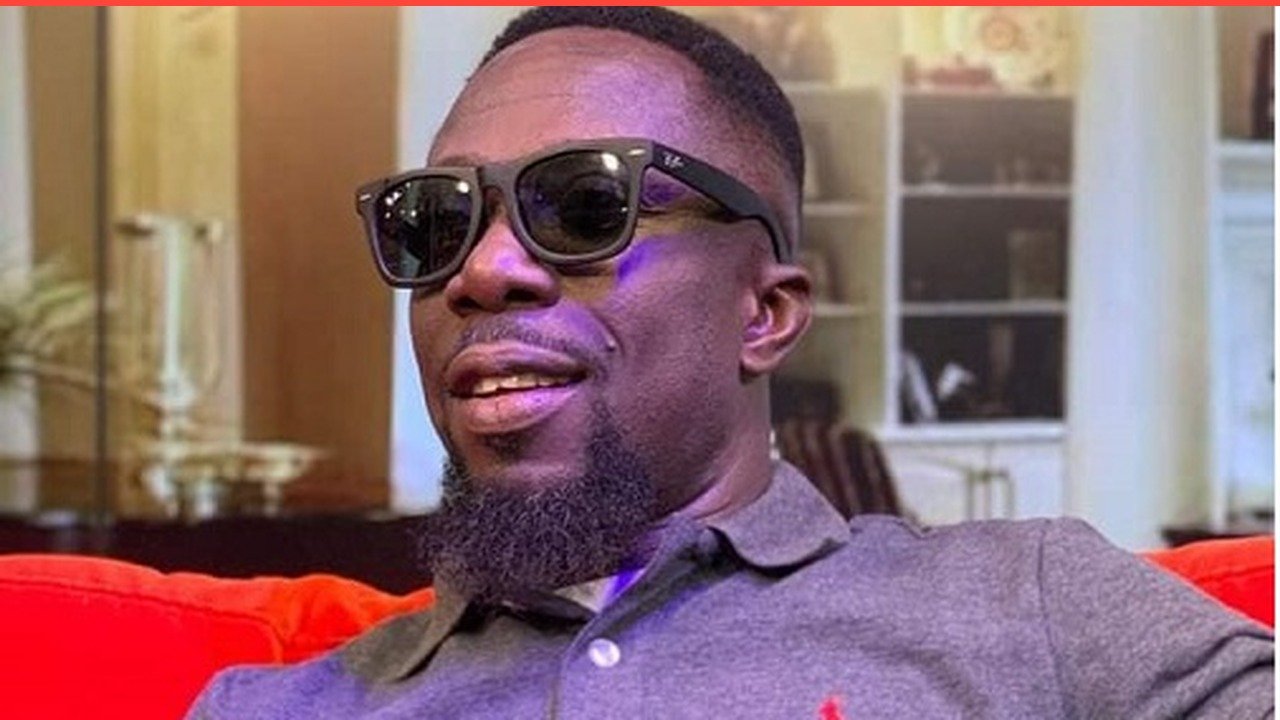
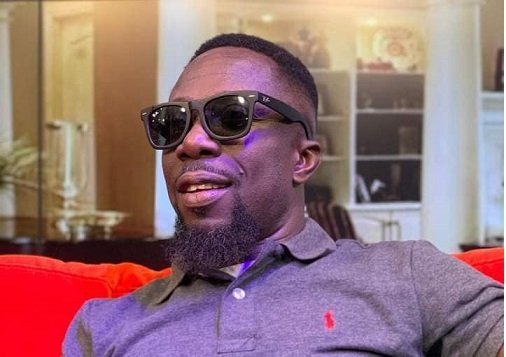
Actor Clement Bonney, widely known as Mr. Beautiful, has become a vocal advocate for these forgotten heroes. In a recent interview, he shared his personal commitment to honoring the legacies of these pioneers. He keeps photographs of late industry giants in his home, a constant reminder of their contributions and the struggles they endured. These aren’t just images on a wall; they are symbols of a broken system, a testament to talent unrewarded.
Mr. Beautiful points to deep-seated structural flaws as the root cause of this pervasive problem. He argues that a combination of a relatively small population and inadequate regulation creates an environment where entertainment doesn’t translate into lasting financial stability for many artists. This situation is further compounded by the lack of robust support systems for creatives, leaving them vulnerable to economic hardship as they age.
One particularly poignant example cited by Mr. Beautiful is the late Araba Stamp, a celebrated actress who reportedly faced homelessness in her final years. Despite her legendary status and significant contributions to Ghanaian cinema, she lacked the basic necessities of life. Her story serves as a stark reminder that fame and recognition are not always synonymous with financial security, and that systemic change is desperately needed.
The issue extends beyond individual cases; it reflects a broader societal challenge. It highlights the need for comprehensive reforms within Ghana’s entertainment sector, including the implementation of fair compensation models, robust pension plans, and accessible healthcare for artists. Safeguarding the well-being of creatives is not just a matter of social justice; it’s an investment in the future of Ghana’s cultural heritage.
Creating a sustainable ecosystem for the arts requires a multi-faceted approach involving government agencies, industry stakeholders, and the artists themselves. It demands a shift in mindset, a recognition that art is not just a form of entertainment but a vital component of national identity and economic growth. The time for action is now, before more legends are lost to poverty and neglect.
The conversation sparked by Mr. Beautiful’s heartfelt plea serves as a wake-up call. It is an invitation for Ghana to reflect on how it treats its cultural icons and to take concrete steps to ensure that their contributions are not only celebrated but also rewarded with dignity and security. Only then can the nation truly honor the legacy of its entertainment pioneers.
Moving forward, a collaborative effort focused on policy reform, financial literacy programs for artists, and increased investment in the creative arts is crucial. By prioritizing the well-being of its artists, Ghana can create a more equitable and sustainable entertainment industry, ensuring that future generations of creatives can thrive and contribute to the nation’s cultural richness without fear of economic hardship.