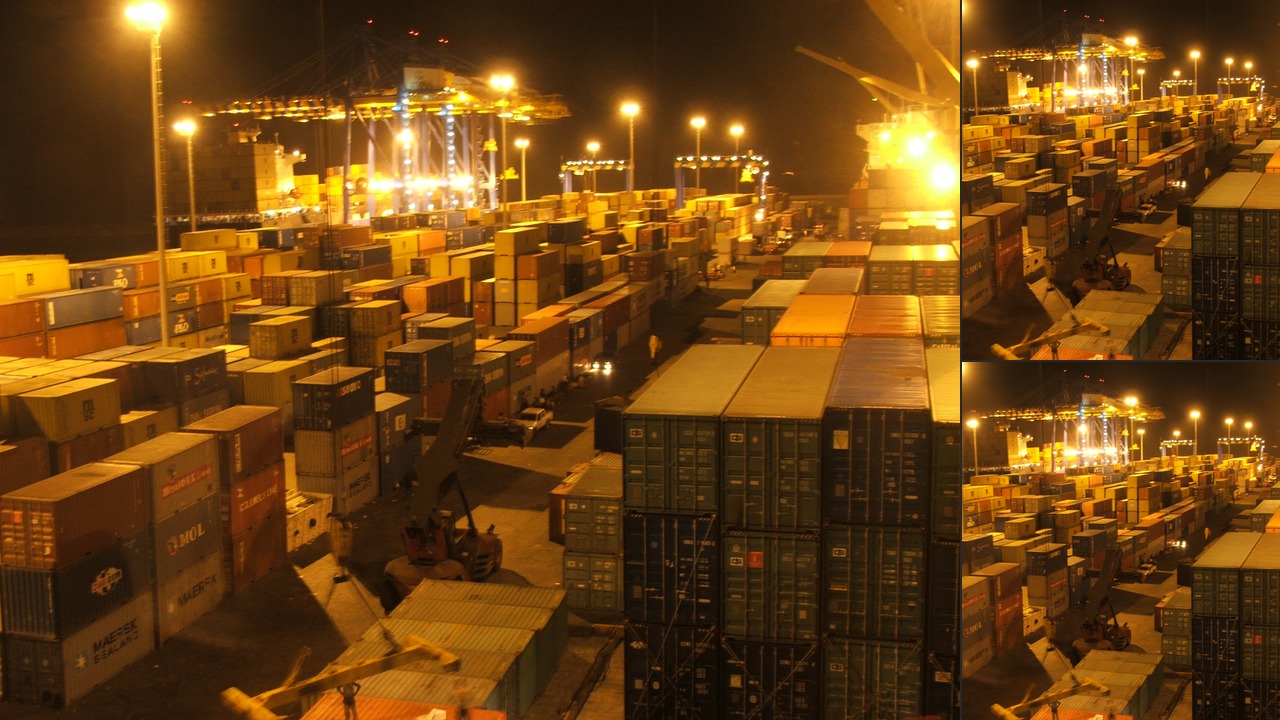
Ghana’s customs administration is stepping into a new era with the introduction of the Publican AI System. This AI-driven tool now serves as the primary basis for import valuation and clearance, aiming to tighten revenue collection and modernize border processes. While the goal is efficiency, the move has sparked significant tension across the trade ecosystem.
For years, the Ghana Revenue Authority has struggled with inconsistent declarations and chronic under-invoicing. By deploying AI to create risk profiles and valuation benchmarks, the government hopes to replace negotiated valuations with standardized, data-driven control. It’s a natural evolution for a customs agency trying to plug revenue leakages.
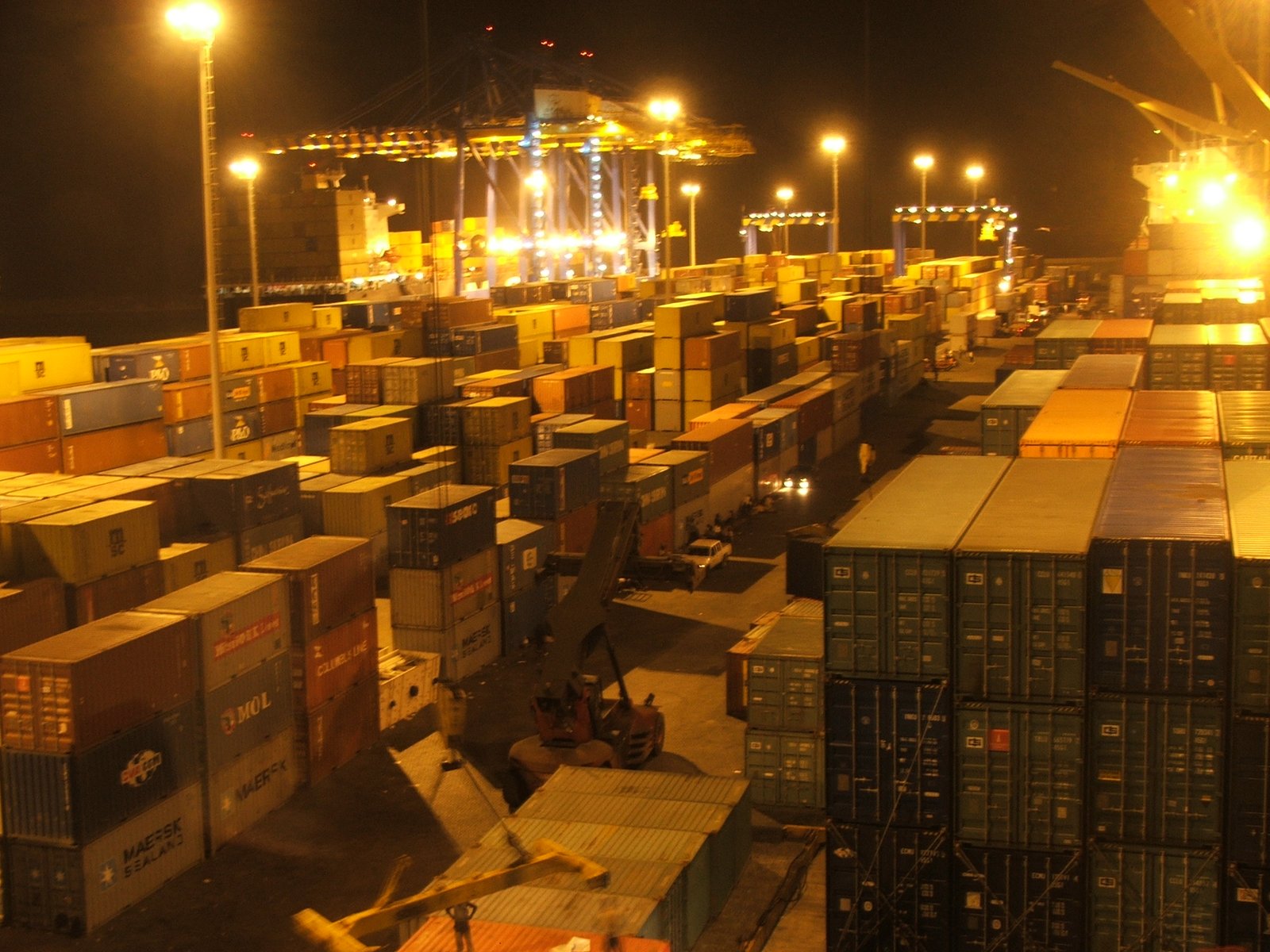
However, the transition hasn’t been smooth, as freight forwarders and traders raise alarms over inflated valuation benchmarks. There are growing concerns that professional discretion is being eroded in favor of an algorithmic output. Meanwhile, the Ministry of Finance remains firm, viewing the system as a “necessary intervention to curb abuse and safeguard revenue.”
The real conflict lies in the clash between this AI and global trade standards. Under the World Trade Organization’s Agreement on Customs Valuation, the “transaction value”—the actual price paid—should be the primary rule. By treating AI outputs as a mandatory minimum threshold, Ghana risks shifting from a legal valuation process to a reference pricing regime.
The solution isn’t to scrap the technology, but to ensure it supports the law rather than replacing it. AI should act as a validation tool for risk assessment, while customs officers retain the reasoned discretion to accept actual transaction values. The success of this reform depends on whether the system works within the legal framework of international trade.