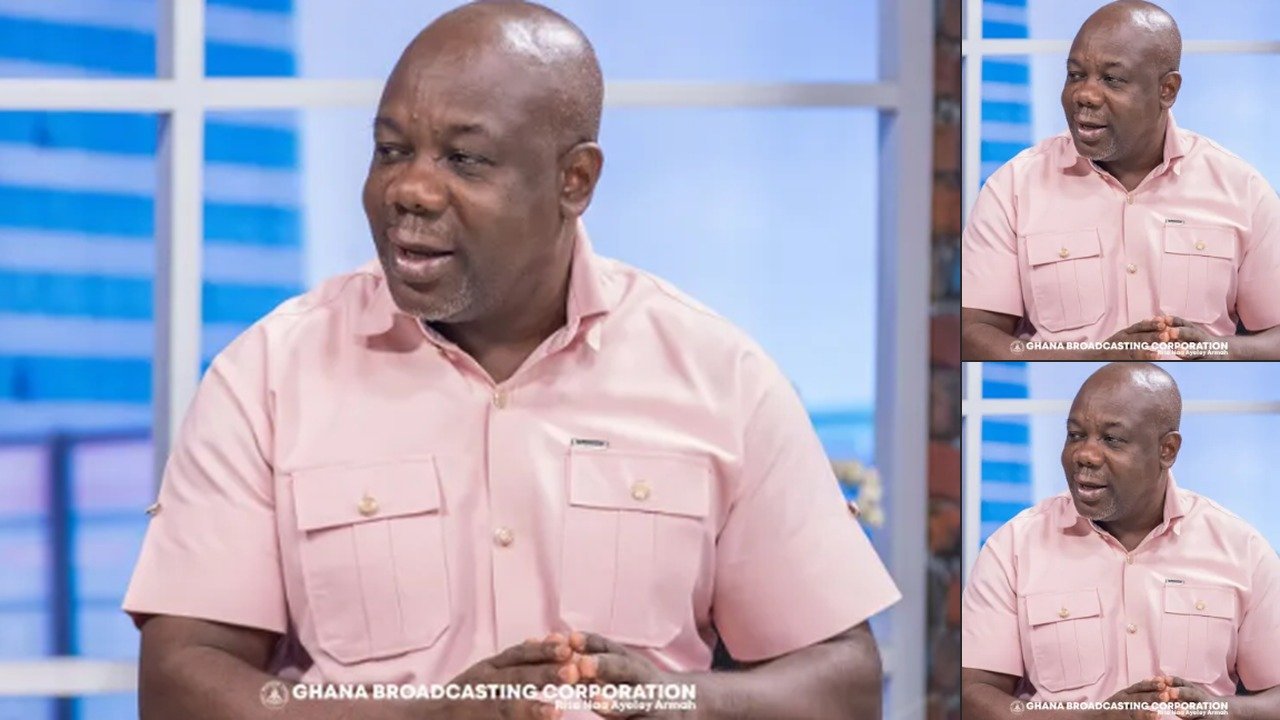
A heated debate on TV3’s New Day has highlighted a growing divide over how Ghana’s cost of living is measured. Theophilus Dzimega, a lawyer and member of the NDC Communication Team, challenged the idea that domestic flight prices are a fair metric for the average citizen’s struggle. This clash between political perspectives reveals a deeper disagreement on what truly defines economic hardship for the public.
The discussion began when Ibrahim Bashiru, representing the NPP, used airfare costs as a point of reference for the broader economy. For some, the cost of travel is a visible sign of inflation, but Dzimega argues that this specific example is misleading. He suggests that focusing on luxury travel ignores the daily realities of the majority of Ghanaians.
During the interview, Dzimega pointed out that air travel is often a choice rather than a necessity. “If you decide this morning to go to the airport and say that you want to travel to Tamale, you might even get Ghc6,000. There’s a way to book flights and get cheaper tickets,” he explained. He further suggested that road travel remains the standard, noting, “You could have gone by bus. Coaches go every day.”
This argument shifts the focus from high-end services to the essential costs that affect every household. Dzimega believes the conversation should center on more grounded indicators like fuel prices, utility bills, and general transport costs. By moving away from airfare, the debate becomes about the survival of the ordinary worker rather than the convenience of the elite.
The exchange reflects the ongoing political tension between the NDC and NPP as they vie to define the narrative of Ghana’s economic state. While one side may look at specific sectors to justify current trends, the other emphasizes the grassroots experience. It’s a reminder that how we measure the cost of living often depends on who is being measured.