
Ghana’s ongoing debate over fuel taxes has taken a sharp turn as calls grow to remove the one cedi levy. While the idea of lower prices at the pump is appealing, some warn that such a move could jeopardize the nation’s power supply. Ebo Buckman, a senior communicator for the United Party, is leading the charge to keep the tax in place.
The levy wasn’t created on a whim; it was a strategic response to deep-seated financial instabilities within the energy sector. For years, the government has struggled to manage debts owed to the companies that generate electricity. Without a steady stream of revenue, the risk of systemic failure in the power grid becomes a real threat.
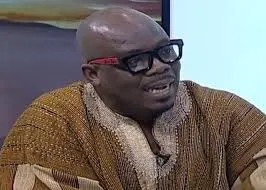
Speaking on TV3’s New Day, Buckman explained the necessity of the tax. He stated, “The reason why this one cedi levy was introduced was because we wanted to solve a major problem,” adding that “We needed to pay the IPPs and stabilise the energy sector.” This funding ensures that Independent Power Producers are paid, keeping the lights on across the country.
Buckman argues that removing the levy would be a mistake driven by a desire for immediate gratification. He noted, “So you are looking at short-term relief,” and insisted that “Any prudent economic manager would look at long-term fiscal and energy stability.” Trading long-term security for a temporary price drop could lead to more severe economic shocks later.
The core of the issue is a simple matter of accounting and resource allocation. Buckman pointed out the reality of the situation: “Once you take this one cedi, you will have to go and look for money somewhere to pay the IPPs.” He concluded that maintaining the levy “is economically commonsensical” to avoid creating new financial gaps.