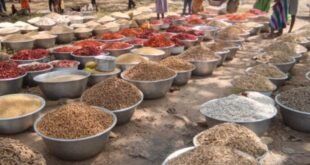
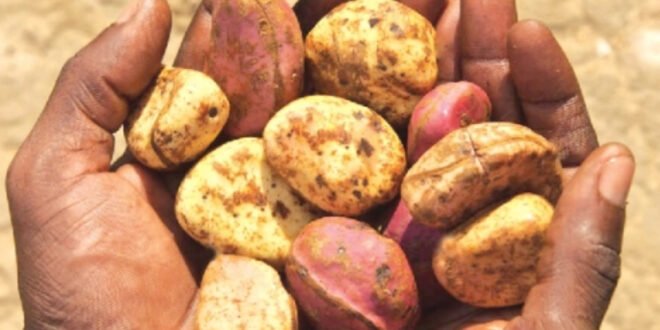
The cola nut industry in Tamale is currently grappling with a severe supply crisis and unprecedented price hikes that are placing immense pressure on both merchants and traditional users. This trade, which has historically served as a reliable source of income in the Northern regional capital, is now struggling to remain viable due to a heavy reliance on imports and the ongoing depreciation of the Ghanaian cedi.
Market data indicates that a single two-gramme nut has increased in price from GH¢1 to GH¢5 over the last year, while the cost of a hundred-count bowl has surged from GH¢60 to GH¢400. Even larger quantities have seen massive spikes, with a size 34 bucket rising to GH¢1,500 and full bags now retailing for as much as GH¢5,000 depending on the current exchange rate with the Ivorian CFA franc.
Beyond its status as a commercial product, the cola nut remains a foundational element of Northern Ghana’s cultural identity, serving as a vital symbol of respect and hospitality at social gatherings. It is an indispensable component of marriage ceremonies across various ethnic groups, meaning that demand remains persistent despite the financial burden on families.
However, veteran traders like Afa Mubarik, who has operated in Tamale for four decades, warn that the sector is nearing a total collapse because the volatile exchange rate makes it nearly impossible to maintain consistent pricing or retain a steady customer base.
The high cost of living is forcing consumers to make difficult choices, even though the cultural necessity of the nut ensures that sales have not stopped entirely. Customers have expressed growing frustration as they struggle to afford the nuts required for traditional rites or for elderly relatives who consume them daily.
As the cedi continues to fluctuate, the community in Tamale is increasingly looking toward government intervention to stabilize the currency and provide support for local businesses to prevent this historically significant trade from disappearing.