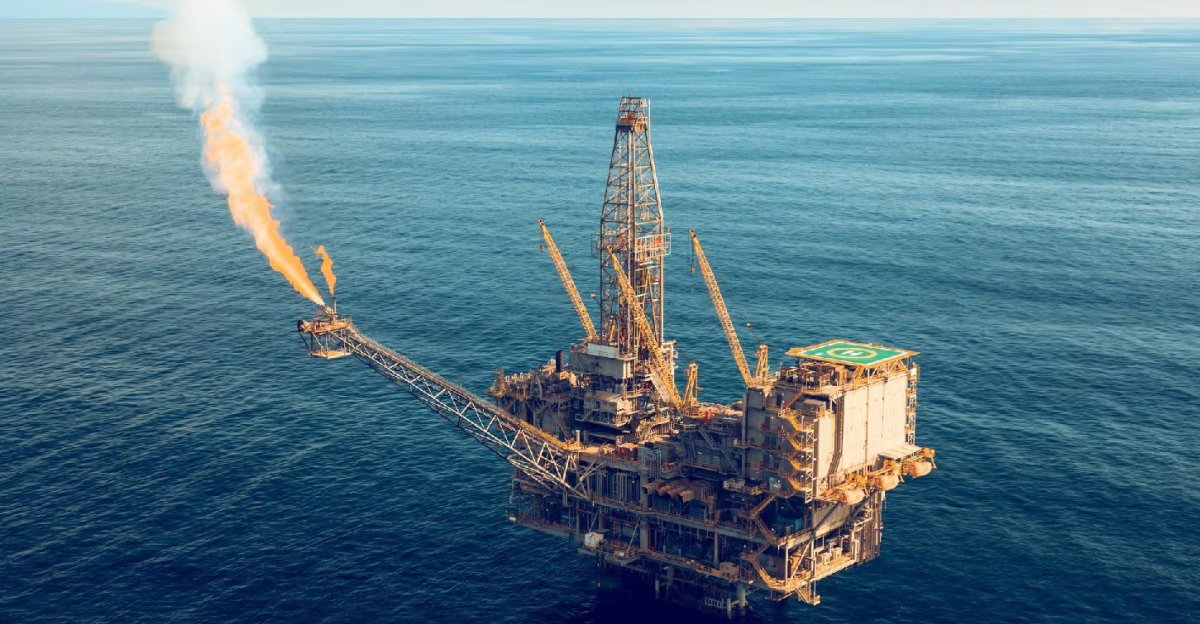
The Public Interest and Accountability Committee (PIAC) has issued a stark warning regarding the future of Ghana’s upstream petroleum sector, noting that a persistent slump in crude oil output is directly threatening national revenue.
During a consultative workshop in Accra, PIAC member Constantine K.M. Kudzedi highlighted that while petroleum receipts constitute approximately 7% of total government income, they serve as a disproportionately vital catalyst for the country’s broader economic growth.
The committee’s data reveals a concerning trajectory: after reaching a record peak of 71.4 million barrels in 2019, production has entered a sustained downturn. This decline has persisted for four straight years, with output dropping to roughly 48.2 million barrels by 2023 – a cumulative decrease that underscores the aging nature of current fields and a lack of significant new discoveries coming online.
The Decadal Production Trend
The volatility in production over the last decade illustrates the urgency of the current crisis:
- 2010: ~1.1 million barrels (Start of commercial production)
- 2019 (Peak): 71,439,585 barrels
- 2020: 66,926,806 barrels (6.3% decline)
- 2021: 55,050,391 barrels (17.75% decline)
- 2022: 51,756,481 barrels (5.98% decline)
- 2023: 48,247,036 barrels (6.78% decline)
Threats to Sustainability and Investment
PIAC emphasizes that without immediate intervention to address technical issues in existing fields – such as the Jubilee, TEN, and Sankofa Gye Nyame – the sector’s sustainability is in jeopardy.
The committee noted that the failure to attract new investment and fast-track the development of new wells will not only reduce the “oil wealth” available for the state but also compromise the equitable distribution of resources for future generations.
To reverse this trend, industry experts suggest that the government must improve the fiscal attractiveness of Ghana’s offshore basins to compete with emerging oil frontiers like Namibia and Guyana, which are currently drawing significant global exploration capital.