
Understanding the true state of Ghana’s economy often depends on which lens you use to view the data. Deputy Finance Minister Thomas Nyarko Ampem recently argued that the current administration’s performance can only be understood by looking at where the country started. This approach suggests that the journey toward stability is just as important as the current destination.

The debate centers on the economic conditions the New Patriotic Party (NPP) encountered when they first took office. Ampem suggests that the government inherited a fragile system that required significant intervention to become resilient. By highlighting these early struggles, the administration aims to show the scale of the work they’ve invested in the country.
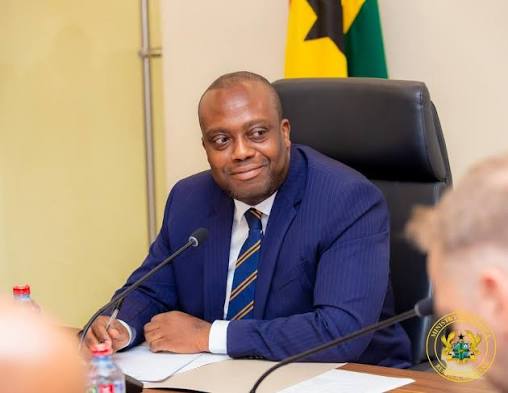
During an appearance on TV3’s Key Points on July 25, 2026, Ampem explained the need for this historical comparison. He stated, “For you to appreciate where we are, it is critical that you appreciate where we came from. It was to put everything in context for everybody to appreciate the achievements.“ He added that the goal was to provide “a good appreciation of the trajectory of the path this economy has travelled.”
This strategy of framing the narrative around a trajectory shifts the conversation from current hardships to long-term growth. It asks the public to judge the government not just by today’s prices or rates, but by the distance covered from the previous administration’s exit. Whether this framing resonates with the average Ghanaian remains a point of contention.
Ultimately, the government’s focus on resilience highlights a broader effort to shield the economy from external shocks. By emphasizing the inherited challenges, the Ministry of Finance hopes to build public patience as they implement their recovery plans. The conversation reflects a wider struggle to define success in a volatile global market.