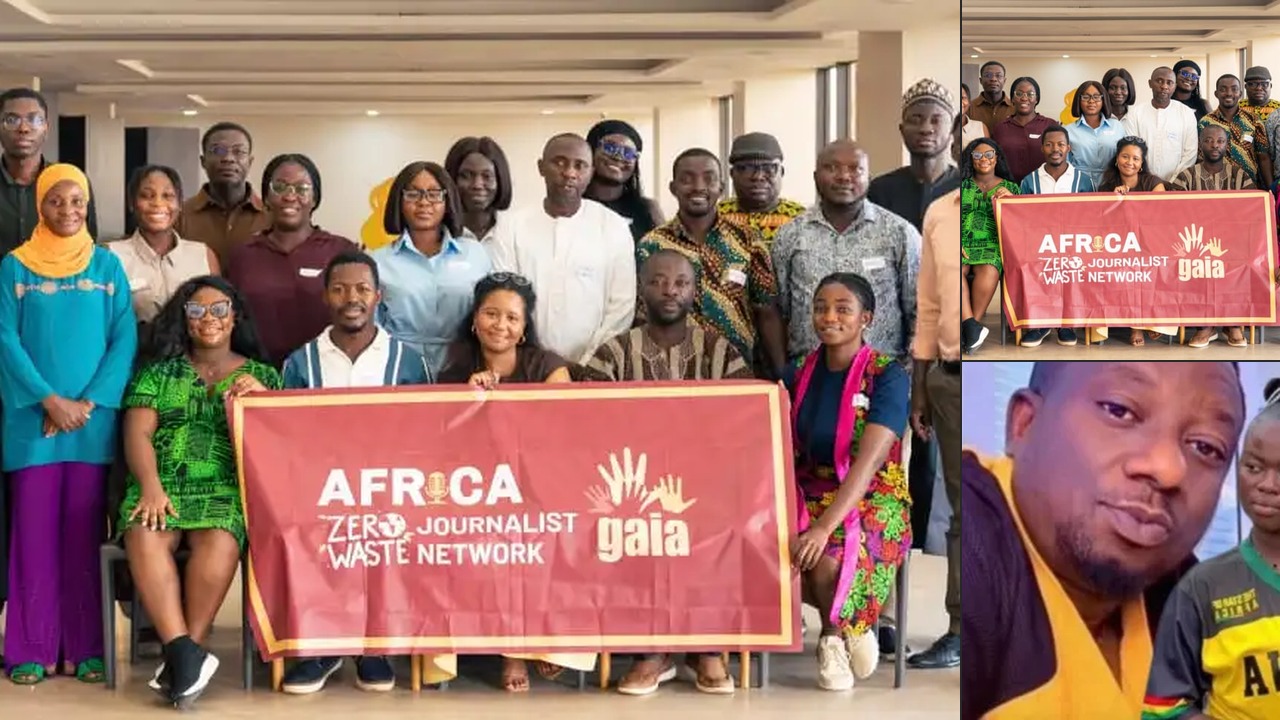
GAIA Africa recently brought together a group of Ghanaian journalists in Accra for an intensive training session on zero waste reporting. This gathering serves as a critical precursor to the second Africa Zero Waste Academy taking place in Kpone, Eastern Region. By equipping reporters with specialized knowledge, the organization aims to shift how environmental stories are told across the continent.
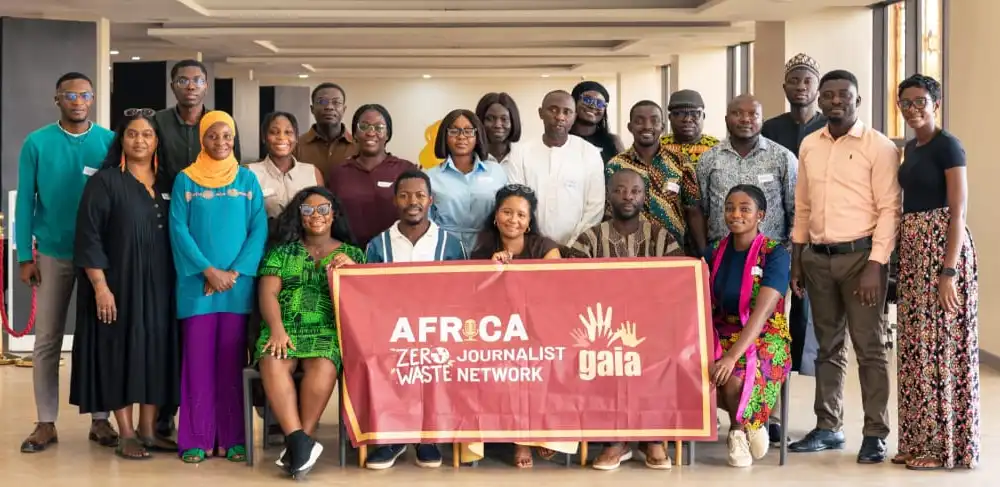
The training marks the first physical meeting of the Africa Zero Waste Journalists (AZWJ) network since its 2024 launch. While the group has previously relied on quarterly virtual workshops, this in-person session allowed members to build stronger professional bonds and engage in hands-on learning. It’s part of a broader effort to ensure that climate reporting keeps pace with both scientific advancements and the rise of artificial intelligence.
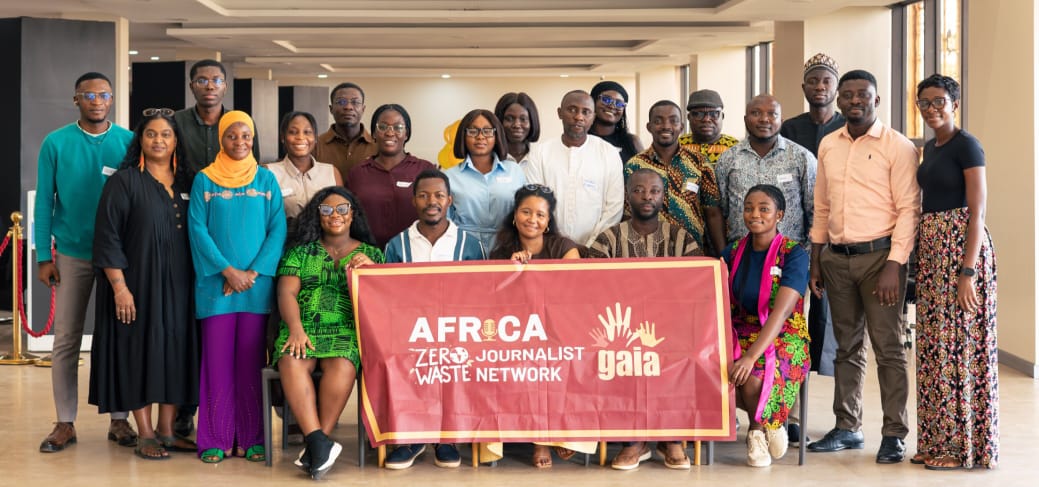
Participants explored the basics of climate science and the role of waste reduction in improving public health. Ibrahim Khalilulahi Usman noted, “We are training journalists not just to report events, but to explain systems, expose false solutions and highlight practical alternatives. That kind of journalism can change the conversation and, ultimately, influence policy.” The sessions also covered the distinction between climate mitigation and adaptation, warning against false solutions like carbon offsets.

A major focus was placed on the danger of greenwashing and the need for evidence-based reporting. Carissa Marnce emphasized that journalists must be able to identify and question projects presented as climate action that fail to reduce emissions or harm local communities. By holding stakeholders accountable, these reporters can help the public and policymakers make more informed choices about waste and pollution.
To modernize their approach, journalists learned how to use social media to reach younger, more diverse audiences. Hafiz Larry Alhassan explained, “Reels are not just a trend; they are a tool for engagement. A well-crafted 30-second clip can make complex science accessible, spur community action and reach audiences that traditional reporting often misses.” This blend of scientific rigor and digital creativity is designed to make climate resilience a central part of the public discourse.