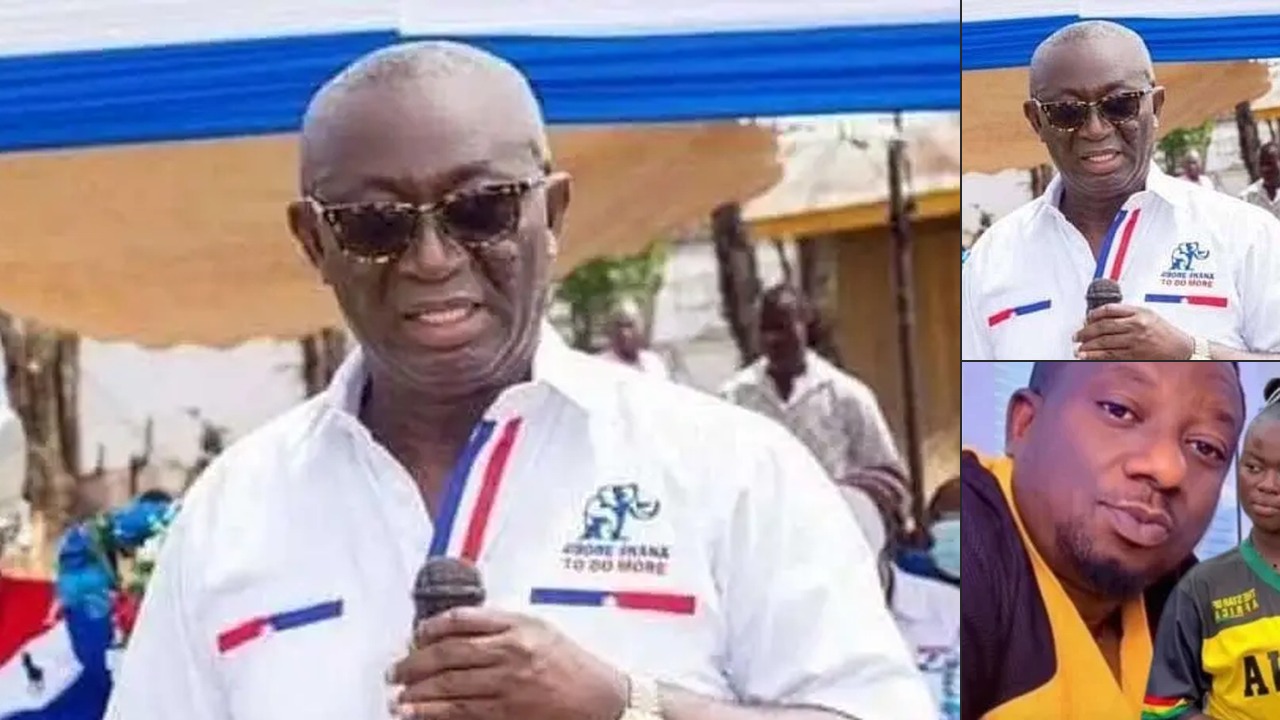
Legal battles often hinge on evidence, but sometimes the atmosphere in the courtroom becomes the biggest obstacle. Mr. Andy Appiah-Kubi, a lawyer and former Member of Parliament, recently explained his decision to step away from representing NPP Ashanti Regional Chairman Bernard Antwi-Boasiako. This withdrawal happened during a high-stakes illegal mining trial, leaving some to wonder if the defense had been compromised.
The case involving Chairman Wontumi has been closely watched given the political and environmental weight of illegal mining in Ghana. Appiah-Kubi’s exit wasn’t a sudden whim but a calculated move to ensure the administration of justice wasn’t hindered. He believes that when tensions rise between the prosecution, defense, and the court, the legal process can suffer.
Speaking on TV3’s Keypoints, Appiah-Kubi noted that “because of the environment that we had created as prosecution and defence, and even the court, it was not conducive for us to pursue justice under the circumstances.” He pointed to personality clashes as a primary driver of this friction. To resolve this, he stated, “I thought that at that time opting out to bring in a new person who would continue was the appropriate thing to do.”

Some critics suggested that leaving the case mid-way weakened the defense’s position. However, Appiah-Kubi argues that the incoming lawyers had all the tools necessary to bolster the case if they felt it was lacking. He believes the legal system provides clear paths to recall witnesses or introduce new evidence to ensure a fair trial.
The lawyer emphasized that the subsequent team’s failure to make such requests suggests they were satisfied with the evidence. He noted, “If you found the evidence inadequate, you could recall witnesses,” including both prosecution and defense witnesses. Ultimately, the responsibility for the final defense strategy rested with those who took over the proceedings.