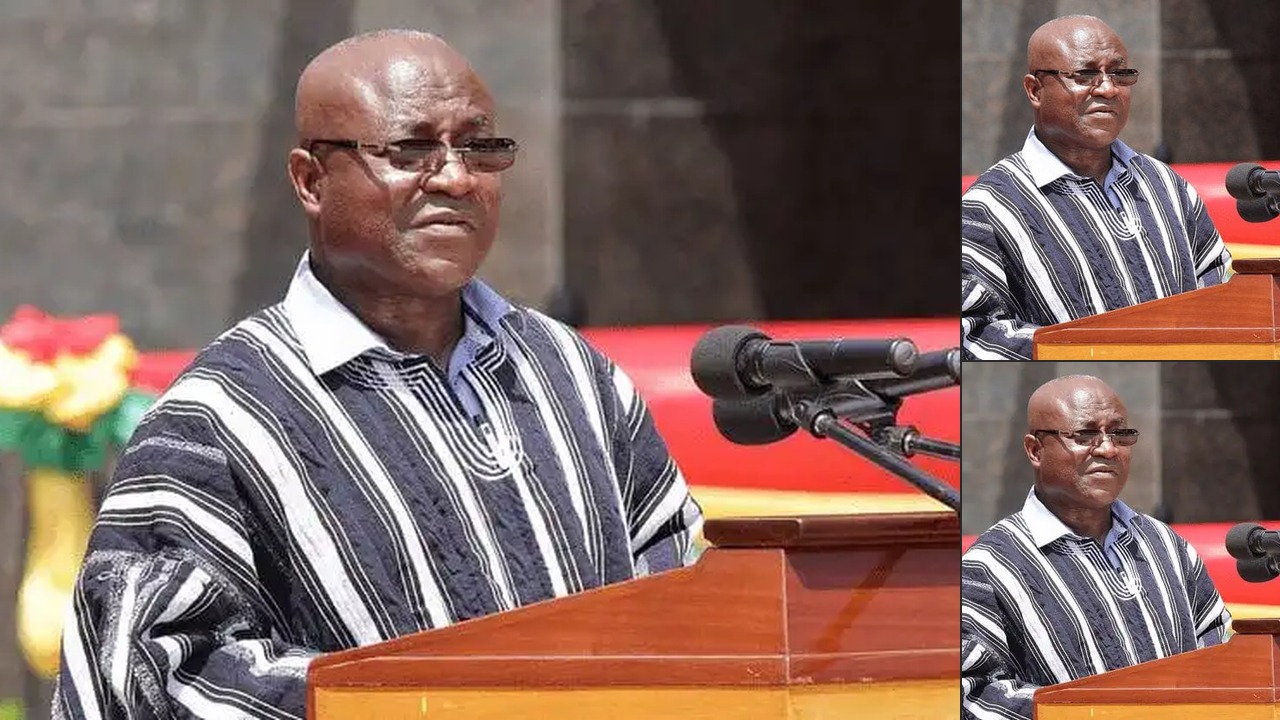
Osei Kyei Mensah Bonsu, Chief of Staff at the Office of the former Vice President, is raising serious questions about the sudden silence of Ghana’s religious leaders. He’s pointing out a strange pattern where pastors who were once loud critics of the government have seemingly disappeared from the public eye. This shift comes as the political landscape has changed following the transition to the Mahama administration.
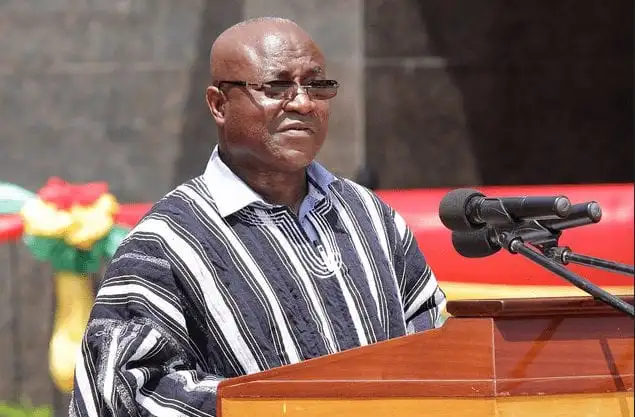
For years, these religious figures were at the forefront of high-profile battles, particularly regarding the anti-LGBTQI+ bill. They frequently pressured the previous administration to ensure the law was signed and enacted. However, as the calendar turned to 2026, that same urgency appears to have evaporated.
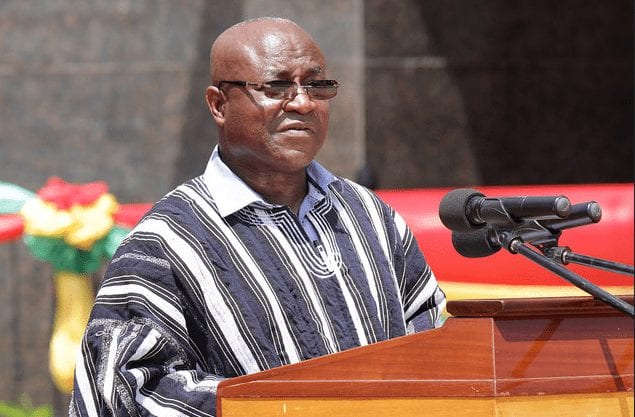
Bonsu doesn’t hold back in his critique, questioning whether these leaders were truly acting in the interest of the country. He asks, “Where are all the pastors who were coming to Parliament to insist that the LGBTQI law be signed? Where are those Pastors? Has the LGBT law been signed? If they were doing the work of the Lord where are they today?” He further notes that some now claim the issue is no longer a priority, leading him to ask, “If it is not a priority today, was it a priority in 2024? How truthful are we?”
The critique extends beyond social legislation to the environmental crisis of illegal mining, known as galamsey. Bonsu recalls how pastors and civil society groups once threatened demonstrations to stop the destruction of Ghana’s lands. He wonders why this passion has faded now, especially since the environmental damage continues regardless of who is in office.
This observation suggests a deeper tension between religious advocacy and political convenience. By questioning these motives, Bonsu is challenging the perceived sincerity of those who claim to fight for moral or national causes. It leaves the public wondering if these movements were about faith and the environment, or simply about targeting a specific political opponent.