The military-led governments of Burkina Faso, Mali, and Niger have announced their collective withdrawal from the International Criminal Court (ICC), signaling a major shift in the geopolitical and legal landscape of West Africa.
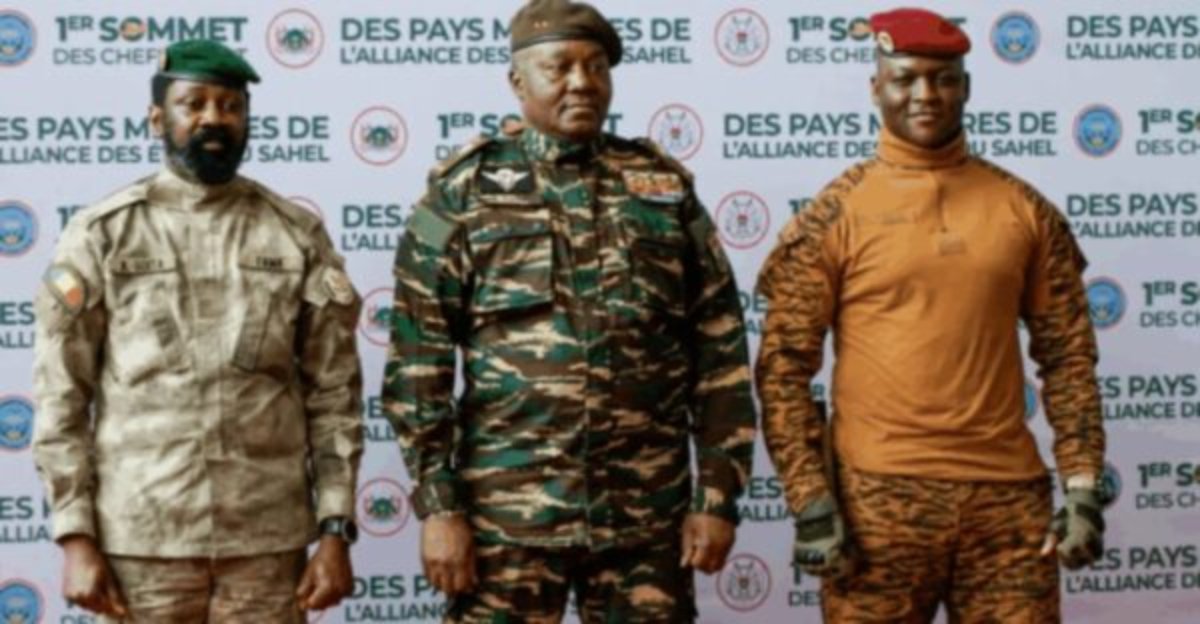
In a joint communiqué issued on September 22, 2025, the leaders of the Confederation of Sahel States (AES) (Captain Ibrahim Traoré of Burkina Faso, General Assimi Goïta of Mali, and General Abdourahamane Tchiani of Niger) denounced the Hague-based tribunal as an “imperialist tool” and a “symbol of selective justice.”
The three nations, which originally ratified the Rome Statute between 2000 and 2004, argued that the court disproportionately targets African leaders while ignoring atrocities committed by Western powers.
While the juntas proclaimed the withdrawal effective immediately, legal experts note that under Article 127 of the Rome Statute, a formal exit only takes legal effect one year after a written notification is delivered to the UN Secretary-General. During this interim period, the countries remain technically bound by their obligations, including cooperation with ongoing investigations.
This is particularly relevant for Mali, where the ICC has had an active investigation since 2012. However, the Sahelian leaders have made it clear they intend to replace international oversight with “indigenous mechanisms” for justice, a move that critics and human rights organizations fear is a strategy to grant immunity to national forces and allied Russian contractors facing allegations of civilian abuses.
This withdrawal follows the trio’s earlier exit from the regional bloc ECOWAS in January 2025 and reflects their deepened strategic alignment with Russia.