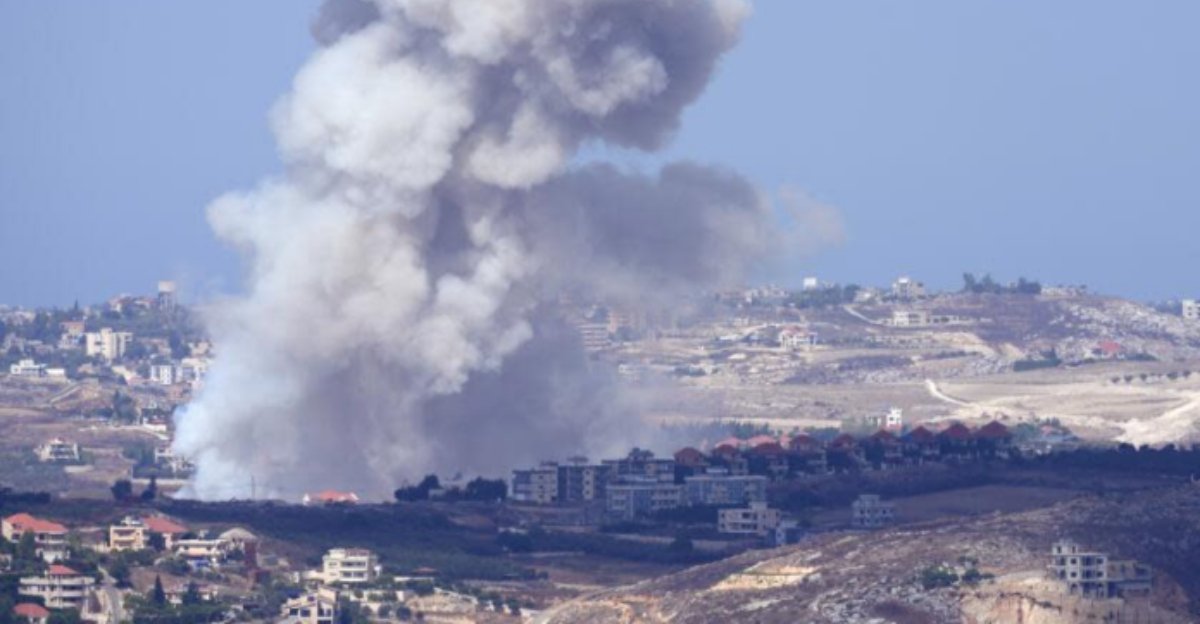
In what has become the deadliest day of conflict in nearly 20 years, Lebanon’s health ministry reports that at least 492 people, including 35 children and 58 women, were killed in extensive Israeli air strikes.
The Israeli military stated it targeted 1,300 Hezbollah sites to destroy infrastructure and weaponry, such as rockets and drones, that it claims the group has hidden within residential buildings.
In response, Hezbollah launched more than 200 rockets into northern Israel, where shrapnel caused injuries to at least two people.
The strikes have caused thousands of families to flee their homes, resulting in massive traffic congestion on roads leading away from southern Lebanon. This displacement followed warnings from the Israeli military via phone and text for residents to evacuate any buildings where Hezbollah stores arms.
While Lebanese Prime Minister Najib Mikati condemned the actions as a “war of extermination,” Israeli Prime Minister Benjamin Netanyahu argued that the strikes were necessary to defend Israel and urged Lebanese citizens to move out of harm’s way.
Global leaders have expressed grave concern over the escalation, with UN Secretary General António Guterres stating he does not want Lebanon to become “another Gaza.” In response to the rising tensions, the Pentagon announced it is sending a small number of additional U.S. troops to the Middle East as a precaution.
Although Israel is currently focused on its aerial campaign, military officials have not specified whether a ground invasion is imminent, while Hezbollah has declared it has entered a new phase of “open-ended battle.”