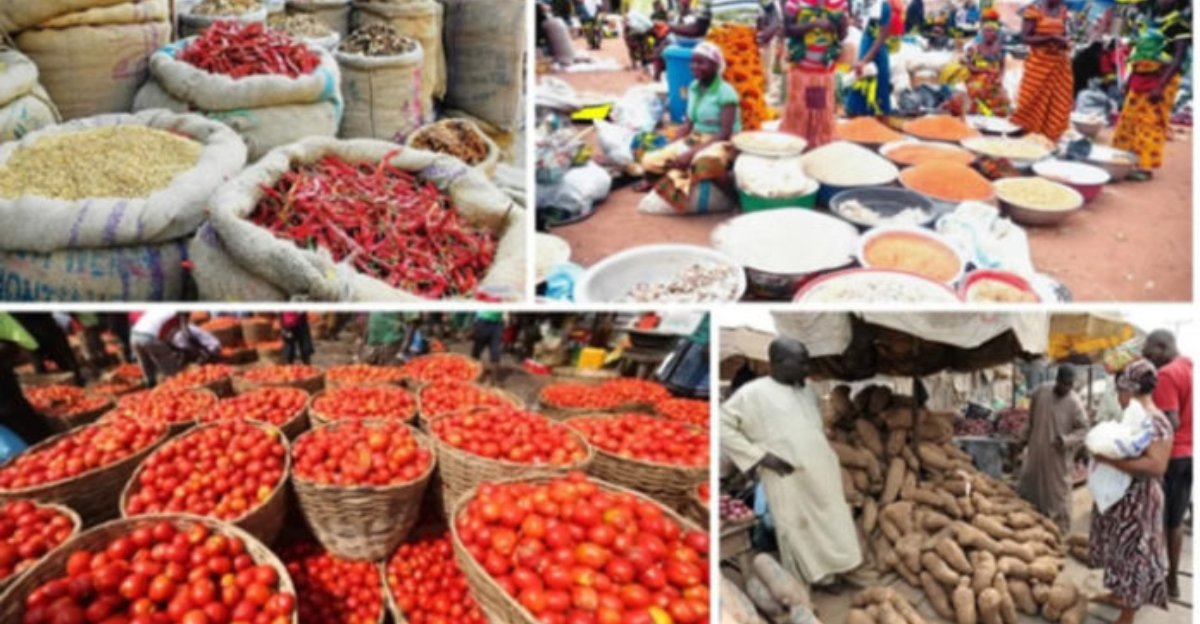
The United Nations has issued a grave warning that approximately 82 million Nigerians – about 64% of the country’s population – could face severe hunger by 2030. This projection comes as Nigeria grapples with a deepening food crisis fueled by record-high inflation, climate change, and persistent insecurity.
According to data from the National Bureau of Statistics (NBS), food inflation in Nigeria reached an unprecedented 40.66% in May 2024, the highest year-on-year increase since records began in 1996. UN officials, including Taofiq Braimoh of the Food and Agriculture Organization (FAO), emphasized that without urgent government intervention, the number of food-insecure individuals will continue to climb from the estimated 22–25 million recorded in 2023–2024.
Several interconnected factors are undermining agricultural productivity and food availability in Nigeria:
- Climate Change: Agricultural economists note that irregular rainfall patterns, droughts, and devastating floods have severely impacted smallholder farmers, who produce the bulk of the nation’s food.
- Pest Infestations: Rising temperatures have accelerated the life cycles of pests, leading to more frequent and severe infestations of staple crops like maize and cowpeas.
- Economic Hardship: The devaluation of the Naira and the removal of fuel subsidies have caused transportation and input costs (seeds, fertilizers) to skyrocket, making farming and food unaffordable for many.
- Insecurity: Ongoing conflict, banditry, and kidnappings—particularly in the North-East and Middle Belt regions—have forced thousands of farmers to abandon their lands.
Proposed Solutions and Expert Warnings
Experts and farmer associations are calling for a holistic and technologically driven approach to avert a “hunger riot”:
- Technological Integration: The UN recommends leveraging satellite-based crop monitoring and CropWatch technology to provide real-time data for better decision-making.
- Infrastructure and Irrigation: The All Farmers Association of Nigeria (AFAN) has urged the government to move away from purely rain-fed agriculture and invest heavily in irrigation and dams to support off-season farming.
- Mechanization and Subsidies: Advocates argue that the government must move beyond “lip service” by providing soft loans, subsidizing farming implements, and encouraging youth participation in mechanized farming.