
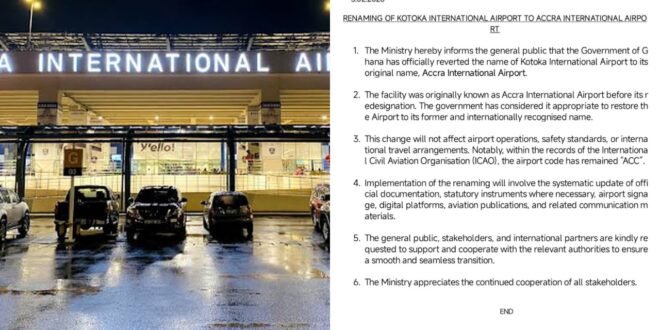
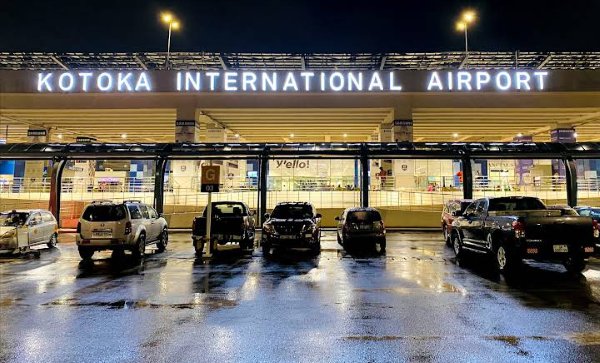
Ghana’s primary air hub is undergoing a significant identity shift, reverting to its original moniker after decades of operating under a different name. What was once known as Kotoka International Airport is now officially Accra International Airport, a decision that has ignited a national conversation about the country’s history and the symbolism embedded in its public spaces. The change, formally announced by the Ministry of Transport, marks more than just a simple name swap; it represents a re-evaluation of Ghana’s past and its aspirations for the future.
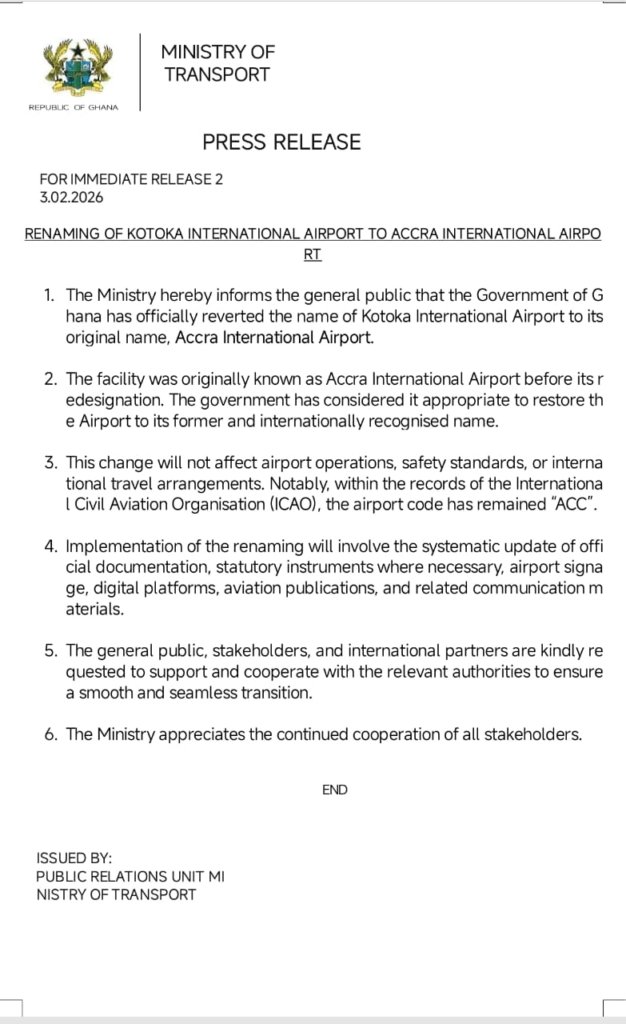
The decision to restore the original name wasn’t taken lightly. Government officials cited a desire to reclaim what they believe was the airport’s globally recognized title, one that existed before the facility was renamed. The Ministry of Transport clarified that this change is purely administrative, intended to realign the airport’s identity with its historical roots. Flight operations, safety regulations, and international travel procedures will remain unaffected by this adjustment, ensuring a seamless experience for travelers.
The transition to Accra International Airport will be implemented systematically. Statutory instruments, official records, aviation publications, signage, and digital platforms will be updated to reflect the new name. The airport’s internationally recognized ICAO code, “ACC,” will remain unchanged, providing continuity for airlines and air traffic control. This phased approach aims to minimize disruption and ensure a smooth transition for all stakeholders.
The move has been met with mixed reactions, triggering a robust national debate. Proponents of the change argue that it symbolizes a departure from celebrating past military regimes and a recognition of the Ga people, the traditional landowners where the airport was built. They see the retention of the previous name as a potential endorsement of unconstitutional regime change, something they believe should not be memorialized at the nation’s principal entry point.
Conversely, some Ghanaians express concern about erasing the legacy of Lieutenant General Emmanuel Kwasi Kotoka, a key figure in the country’s history. They argue that his contributions should not be forgotten, and that renaming the airport diminishes his role in Ghana’s development. This difference of opinion highlights the complex relationship between history, identity, and national symbols.
The government has called for cooperation from industry stakeholders, development partners, and the general public to ensure a seamless transition. The Ministry of Transport expressed gratitude for the continued collaboration of all parties involved. As Ghana embraces this new chapter for its main airport, it also grapples with the complexities of its history and the importance of choosing symbols that represent its values.
While the physical structure of the airport remains the same, its symbolic meaning is evolving. Accra International Airport now embodies a fresh opportunity to define Ghana’s national identity and its relationship with its past. The removal of Kotoka’s name serves as a powerful reminder that history is constantly being reinterpreted and that even seemingly fixed symbols can be subject to change.
Ultimately, the renaming of Accra International Airport represents more than just a change on a sign. It’s a reflection of Ghana’s ongoing journey of self-discovery and its commitment to shaping a future that honors its complex past while embracing its democratic ideals.