

A storm is brewing in Ghana’s cocoa sector, with former Special Prosecutor Martin Amidu reigniting a fiery debate over promises made to cocoa farmers. At the heart of the controversy lies a pledge, allegedly made by President Mahama, to pay farmers 70% of the world market price for their cocoa. Amidu now claims that this promise was broken, leaving farmers feeling cheated and betrayed.

The accusation centers on statements Mahama purportedly made in Juaboso, where he allegedly assured farmers of the 70% price guarantee. Amidu asserts that while the government initially announced a price reflecting this commitment, a subsequent decision to increase it further complicates the situation. The former Special Prosecutor argues that reducing the agreed-upon price without consulting farmers represents a breach of trust.

Amidu questions the timing of the alleged price reduction, suggesting that the government had access to economic projections before assuming office. This implies the administration should have been aware of potential difficulties in fulfilling the 70% pledge. His argument highlights a core principle of political accountability: that leaders must stand by their commitments, especially when those commitments directly impact the livelihoods of their constituents.
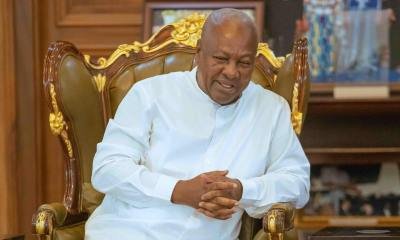
The unfolding situation has triggered a wave of reactions, with some questioning the motivations behind Amidu’s renewed focus on this issue. Critics have suggested that his intervention may be politically motivated, designed to undermine the current administration. However, his supporters maintain that he is simply acting as a watchdog, holding those in power accountable for their promises.
The core of the issue is whether the government truly broke its promise to cocoa farmers. The ripple effects could have lasting consequences for the agricultural sector and the trust between the government and its citizens. As the debate rages on, the spotlight remains fixed on Mahama and his administration, demanding a clear and convincing explanation to the cocoa farmers of Ghana.
The incident highlights the complex relationship between political promises, economic realities, and the expectations of the electorate. It also underscores the importance of transparent communication and stakeholder engagement in policy implementation. Moving forward, the episode serves as a reminder of the enduring impact of political pledges on the lives of ordinary citizens.
The accusations, whether true or not, have already cast a shadow over the administration’s handling of the cocoa sector. It’s also brought renewed attention to the plight of cocoa farmers who are crucial to Ghana’s economy. The situation demands a thorough and impartial investigation to determine the validity of Amidu’s claims and ensure that cocoa farmers receive the fair compensation they deserve.