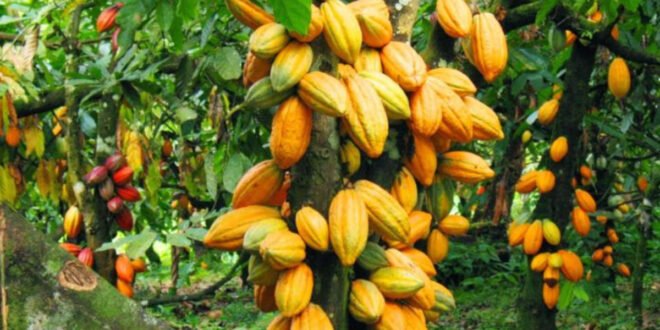
A combination of illegal mining, adverse climate conditions, crop disease, and extensive smuggling has led to a major reduction in Ghana’s cocoa revenue for the early part of 2024. Fiifi Boafo, the Head of Public Affairs at COCOBOD, noted that these factors resulted in a revenue drop exceeding $500 million according to Bank of Ghana data.
A primary concern is the impact of illegal mining, or galamsey, which physically prevents farmers from accessing their lands, creates labor shortages for harvesting, and severely pollutes the water sources essential for irrigating cocoa trees.
Environmental challenges were further intensified by the El Niño phenomenon, which brought uncharacteristically warm and dry weather that suppressed crop yields. Simultaneously, the Cocoa Swollen Shoot Virus Disease has devastated the sector, leading to the loss of over 500,000 hectares of farms.
To address this biological threat, COCOBOD has already invested more than $200 million into farm rehabilitation efforts aimed at restoring the health of infected plantations.
In response to the human-driven threats of smuggling and illicit mining, COCOBOD has initiated aggressive legal measures, resulting in several jail sentences and ongoing court cases. The organization is also providing legal assistance to farmers whose lands have been encroached upon by miners and has increased the producer price of cocoa to better motivate farmers and deter smuggling.
Despite these production hurdles, COCOBOD leadership maintains that the shortfall will not hinder the institution’s ability to secure its annual syndicated loan or maintain overall financial stability.