
Fuel prices often feel like a mystery to the average driver, but the reality is usually tied to global instability. In Ghana, the current pressure on pump prices isn’t just a local issue; it’s a reflection of turmoil far beyond its borders. Ebo Buckman, a senior communicator for the United Party, explains that geopolitical tensions are driving these costs higher.
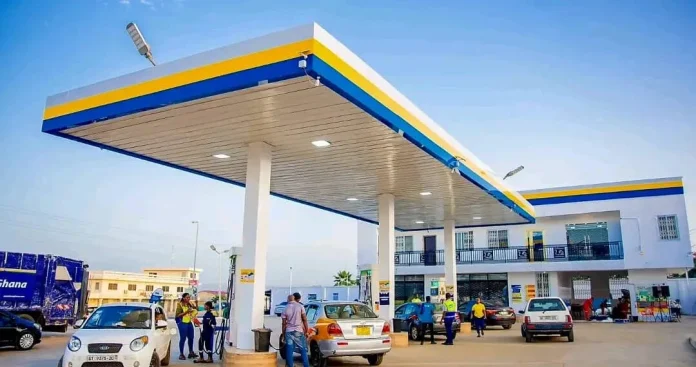
The global oil market is highly sensitive to conflict, especially in regions critical to energy production. When war breaks out or tensions escalate in the Middle East, the uncertainty ripples through every economy. This creates a volatile environment where prices fluctuate based on fear rather than just supply and demand.
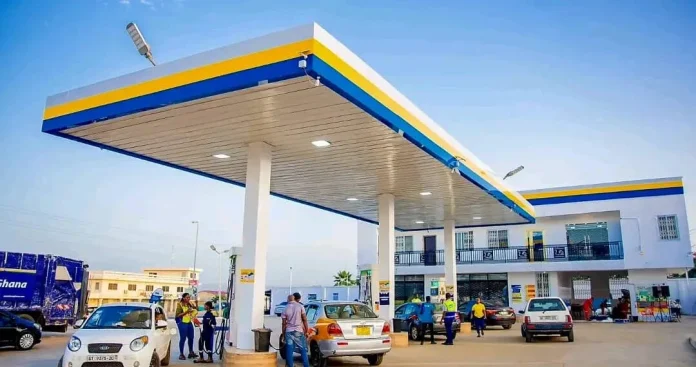
Buckman pointed out that crude oil prices have been swinging between $90 and $98 on the world market. He noted that “The war has introduced what we call the war premium,” explaining that “Because of fear, investors want to protect their investments, so that premium is added.” This additional cost is passed down the line, eventually hitting the pockets of local consumers.
There is a glimmer of hope, however, as diplomatic efforts continue to unfold. Buckman mentioned that “Because of a ceasefire and ongoing negotiations, that premium has come down,” and he’s hopeful for further reductions. If these trends hold, the cost of living could ease as energy prices stabilize.
The stakes for Ghana’s broader economic health are significant. A return to baseline crude prices would provide much-needed breathing room for the national budget and local businesses. As Buckman put it, “If it comes down to the baseline, the economy will do very well.”