
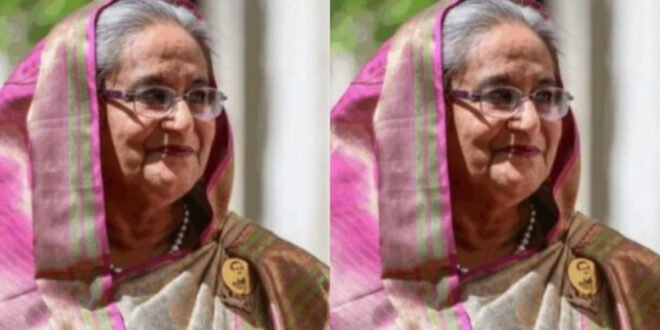
On November 17, 2025, Bangladesh’s International Crimes Tribunal (ICT) delivered a historic and polarizing verdict, sentencing former Prime Minister Sheikh Hasina and her former Home Minister, Asaduzzaman Khan, to death.
The court held Hasina responsible for orchestrating a brutal, state-coordinated crackdown on student-led protests between July and August 2024. This uprising, which resulted in an estimated 1,400 deaths, eventually led to the collapse of Hasina’s 15-year administration.
The tribunal’s findings highlighted the use of lethal force, including snipers, helicopters, and drones against unarmed civilians, with prosecutors presenting audio evidence of Hasina personally authorizing the violence to maintain her grip on power.
The ruling has triggered a complex international and diplomatic crisis. From her current exile in India, Hasina has denounced the proceedings as a “politically motivated farce” designed by the interim government to dismantle the Awami League ahead of the February 2026 national elections.
While victims’ families and student activists celebrated the verdict as a monumental step toward justice, organizations like Amnesty International and the United Nations expressed grave concerns over the trial’s fairness. Critics pointed to the lack of the defendant’s presence, the speed of the proceedings, and the tribunal’s refusal to allow her to choose her own legal counsel as significant breaches of international due process.
Currently, the verdict remains at the center of a tense standoff between Bangladesh and India. The interim government, led by Nobel Laureate Muhammad Yunus, has formally requested Hasina’s extradition to face her sentence.
However, New Delhi has responded with caution, citing legal and humanitarian hurdles—specifically the reluctance to extradite an individual to face capital punishment resulting from an in absentia trial.
As Bangladesh grapples with internal instability and a looming election cycle, the fate of its longest-serving leader remains a defining factor in its path toward national reconciliation.