
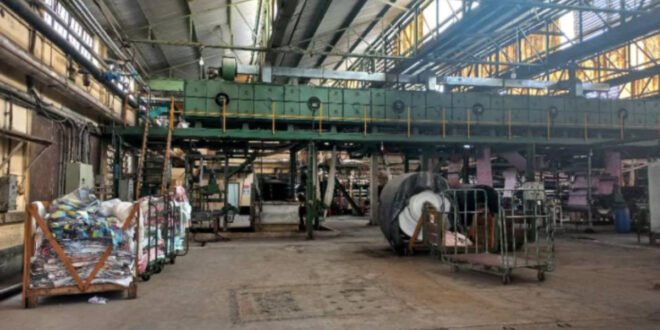
The production lines at Ghana Textiles Printing Company Limited (GTP) in Tema have ground to a near-halt, forcing over 600 employees into an indefinite leave. The crisis is driven by a critical shortage of Residual Fuel Oil (RFO), the primary fuel used to power the factory’s boilers and machinery.
Production capacity at the facility has plummeted from a peak of 85,000 yards per day to just 15,000 yards, representing a staggering 82% decline in output.
The RFO Supply Chain Breakdown
The shortage is not a matter of global scarcity but rather a financial bottleneck. Because RFO is imported from neighboring countries, suppliers have reportedly become reluctant to continue deliveries due to delayed reimbursements.
Michael Kabutey Caesar, Regional Chairman of the Chamber of Commerce, highlighted the broader economic implications of this shutdown:
- Energy Costs: GTP typically spends approximately $80,000 monthly on water and an equivalent amount on electricity.
- Revenue Loss: The shutdown leads to a significant loss in tax revenue for the government.
- Operational Strain: Fixed costs and recurrent expenditures continue to mount even as revenue-generating production stalls.
The Chamber of Commerce has issued an urgent appeal to the Ministry of Trade and Industry to intervene in the payment disputes with suppliers to restore the RFO supply and bring the workforce back to the factory floor.