
Ghana currently holds the 15th spot among African nations with the lowest fuel prices. While this ranking suggests a relatively stable position, the cost of filling up remains a sensitive issue for millions of drivers. Understanding where the country stands compared to its neighbors provides a clearer picture of the local economic landscape.
Global instability has played a significant role in shifting costs across the continent. Following the outbreak of war in the Middle East in late February 2026, Brent crude climbed to $95 per barrel, putting pressure on markets worldwide. This geopolitical tension has made fuel pricing a volatile balancing act for many governments.
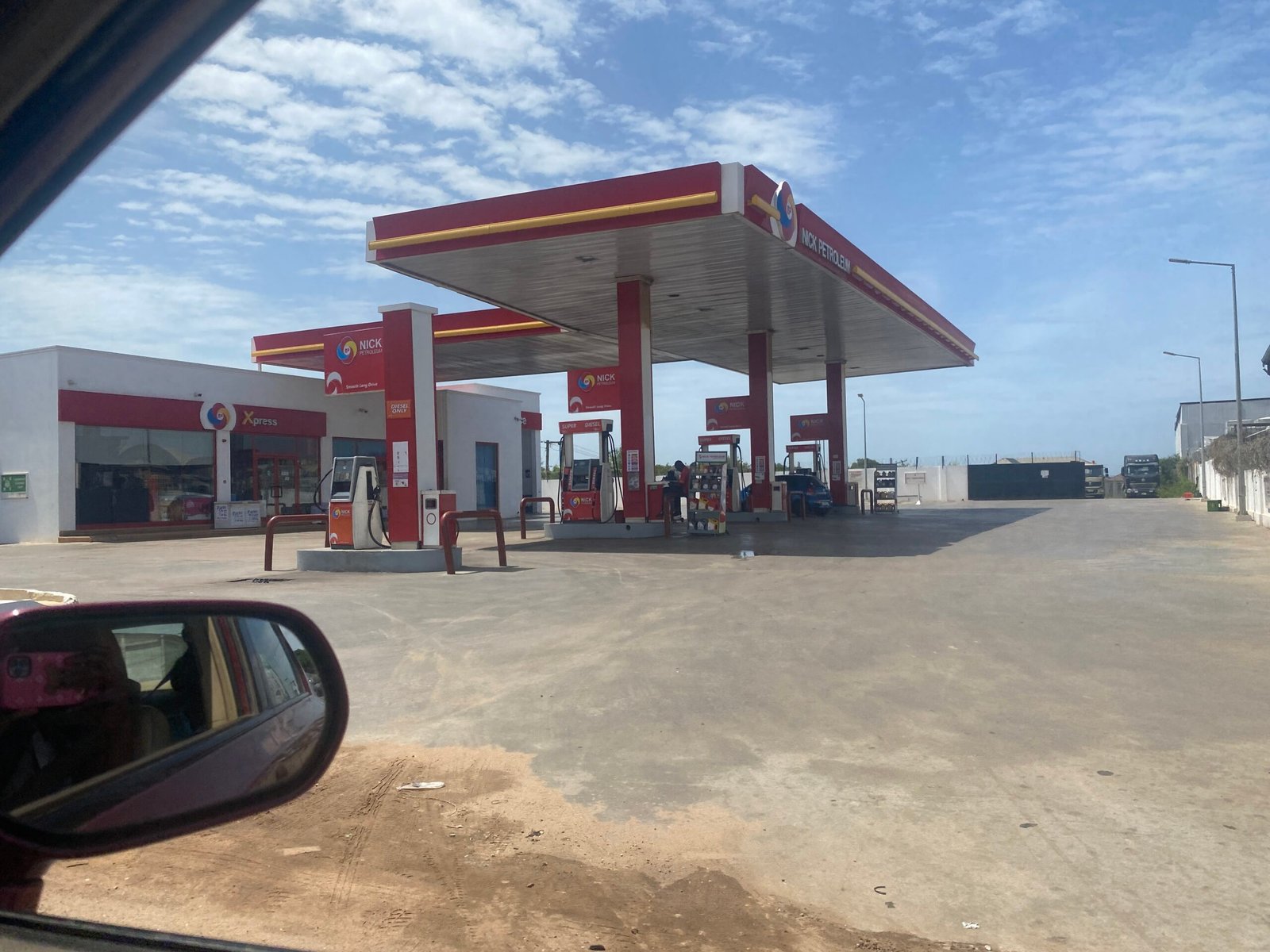
As of April 6, 2026, petrol in Ghana was priced at US$1.303 per litre, a slight increase from the US$1.297 seen in December 2025, while diesel sat at US$1.1553. For comparison, Libya and Angola enjoy some of the lowest rates on the continent, whereas Malawi faces the highest costs at US$3.84 per litre. These wide disparities highlight the varying degrees of subsidies and production capacities across Africa.
Despite some fluctuations in global oil prices, the outlook for Ghanaian consumers isn’t entirely optimistic. Duncan Amoah, the Executive Secretary of the Chamber of Petroleum Consumers (COPEC), has warned that fuel prices in Ghana could increase in the coming days. He noted that industry analysis indicates “petrol prices could increase by about 10%, while diesel prices may go up between 13% and 17%.”
Recent regulatory changes have already started to impact the pump. On April 1st, 2026, the National Petroleum Authority introduced new minimum price floors for petroleum products. This move resulted in an immediate price hike of over 3% across the board.