
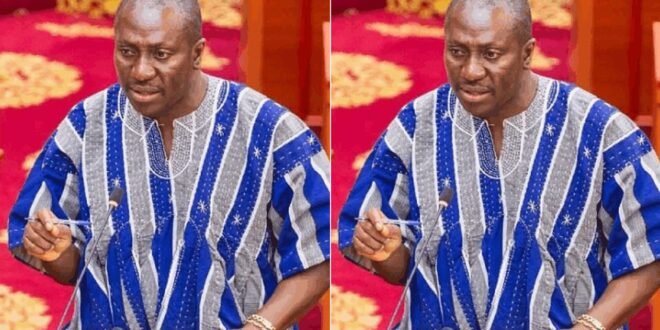
Ghana’s economic trajectory is under scrutiny as concerns mount over the government’s fiscal policies. A growing debate centers on whether the relentless pursuit of tax revenue is stifling the very businesses that fuel economic growth. Critics argue that a heavy-handed approach to taxation, while seemingly beneficial in the short term, could have detrimental long-term consequences for the nation’s entrepreneurial spirit and overall prosperity.
The crux of the issue lies in the perceived imbalance between revenue collection and support for private sector development. Observers point to a lack of tangible incentives for businesses, coupled with increased pressure from revenue authorities, as evidence of a skewed focus. This emphasis on immediate gains, they contend, overlooks the crucial need to cultivate a thriving business environment capable of generating sustainable tax revenue in the future.
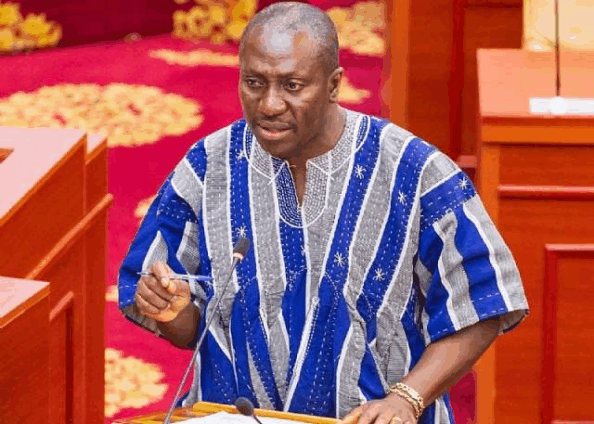
Alexander Afenyo-Markin, a prominent voice in the political landscape, has voiced strong reservations about the current approach. He argues that the government’s singular focus on maximizing tax revenue is coming at the expense of business sustainability. He suggests that while revenue is undoubtedly essential, it shouldn’t be prioritized to the point of crushing the entrepreneurial spirit necessary for long-term economic health.
Data from the Ghana Revenue Authority reveals a significant increase in tax mobilization. The Domestic Tax Revenue Division reported collecting GH¢130.2 billion in 2025, a substantial 20.3% increase from the previous year. The authority aims to continue this upward trend, targeting GH¢162.59 billion for 2026, representing a further 21% rise. These ambitious targets coincide with plans to decentralize audit operations and intensify risk-based interventions across taxpayer categories.
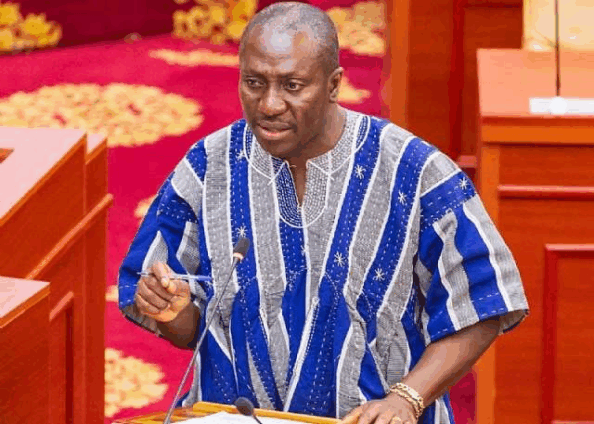
The dilemma facing Ghana is a complex one. While increased tax revenue is crucial for funding essential public services and infrastructure, an overly aggressive approach risks alienating businesses and discouraging investment. The challenge lies in finding a delicate balance – fostering a supportive environment where entrepreneurs can flourish while ensuring that the government has the resources it needs to meet its obligations.
The potential consequences of misjudging this balance are significant. Stifled business growth could lead to reduced job creation, decreased innovation, and ultimately, lower long-term tax revenue. A more sustainable approach, proponents argue, would involve providing targeted incentives, streamlining bureaucratic processes, and fostering a collaborative relationship between the government and the private sector.
Ultimately, Ghana’s economic success hinges on its ability to create an environment where businesses can thrive and contribute to the nation’s prosperity. A shift in focus, from simply extracting revenue to nurturing sustainable growth, may be necessary to secure a brighter economic future. The coming months will be critical in determining whether the government can strike the right balance and pave the way for long-term prosperity.
The debate highlights a fundamental question: what is the best way to build a strong and resilient economy? Is it through aggressive tax collection, or through fostering a supportive environment for businesses to grow and prosper? The answer, likely, lies in a balanced approach that recognizes the importance of both.