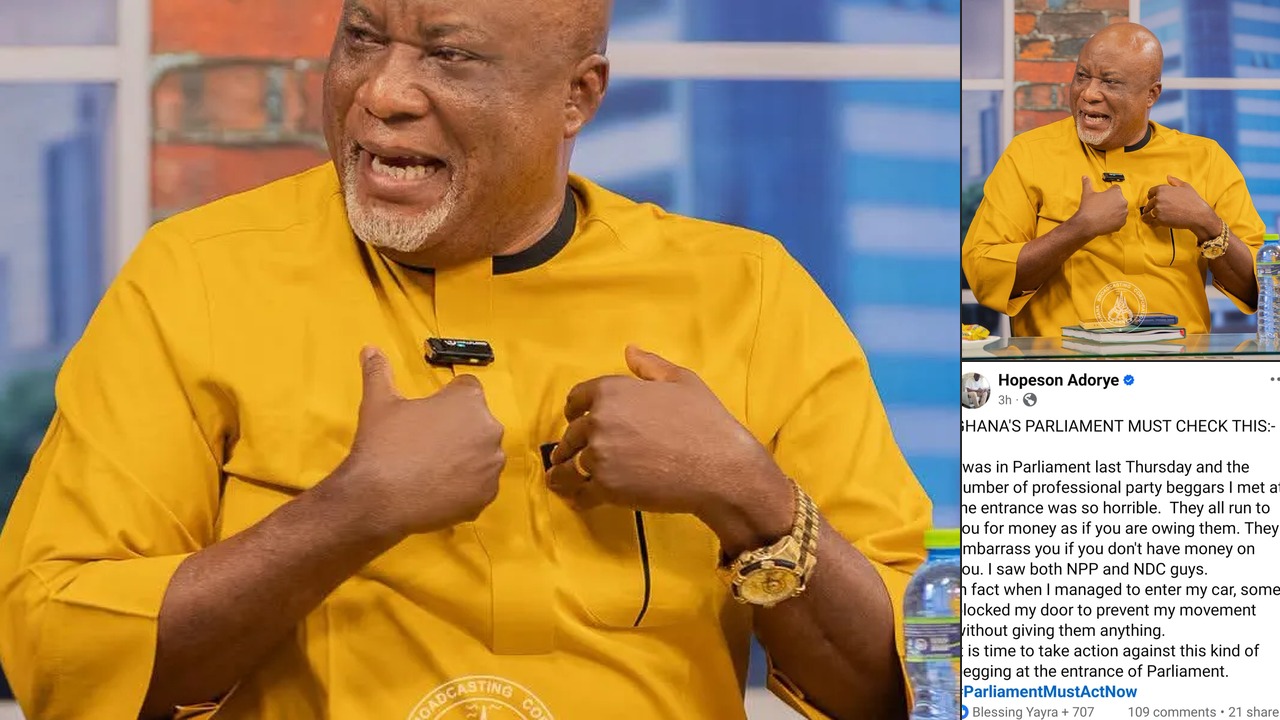
A recent visit to Parliament House has sparked a conversation about the environment surrounding Ghana’s legislative heart. Hopeson Adorye, a prominent political figure, shared a frustrating experience that highlights a growing issue at the building’s gates. It is a situation where the dignity of the institution seems to clash with the desperation of those lingering at its doors.
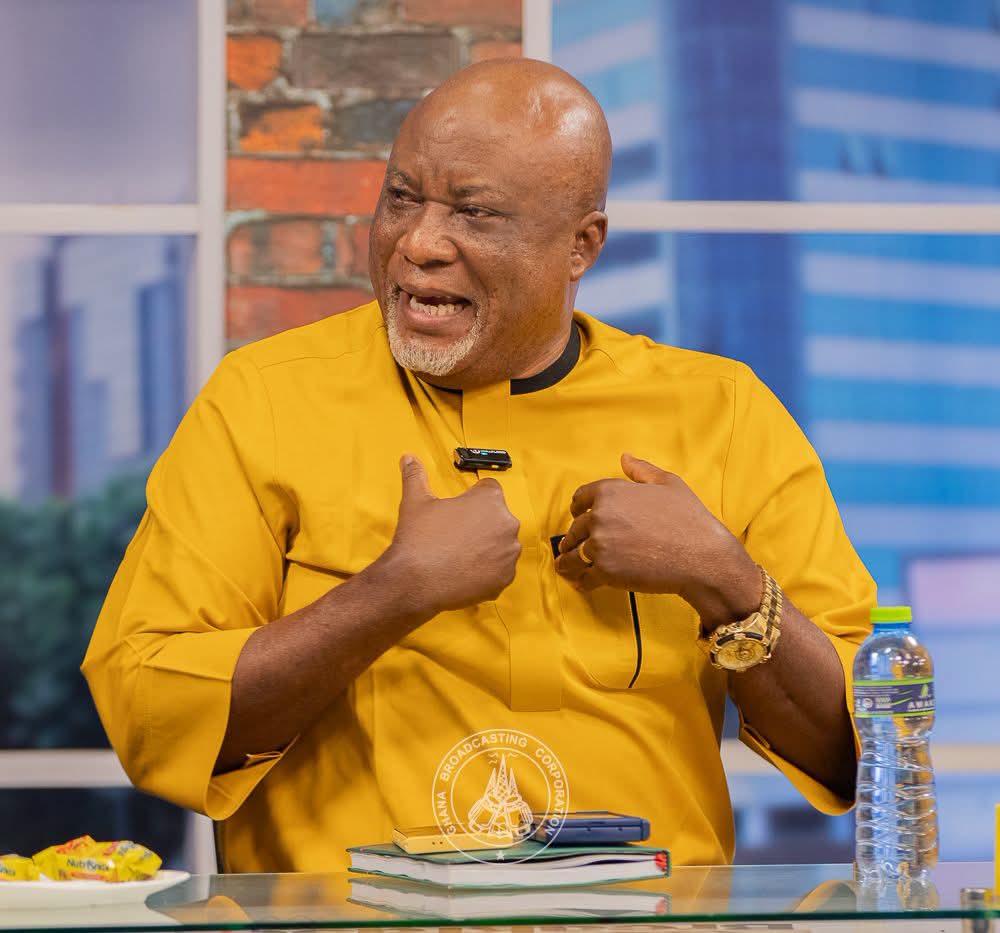
Adorye, a former NPP member and current leading member of the United Party, is no stranger to the political landscape. His observations point to a troubling trend where political affiliation is being used as a justification for solicitation. This creates an uncomfortable and chaotic atmosphere for visitors and officials arriving for official business.
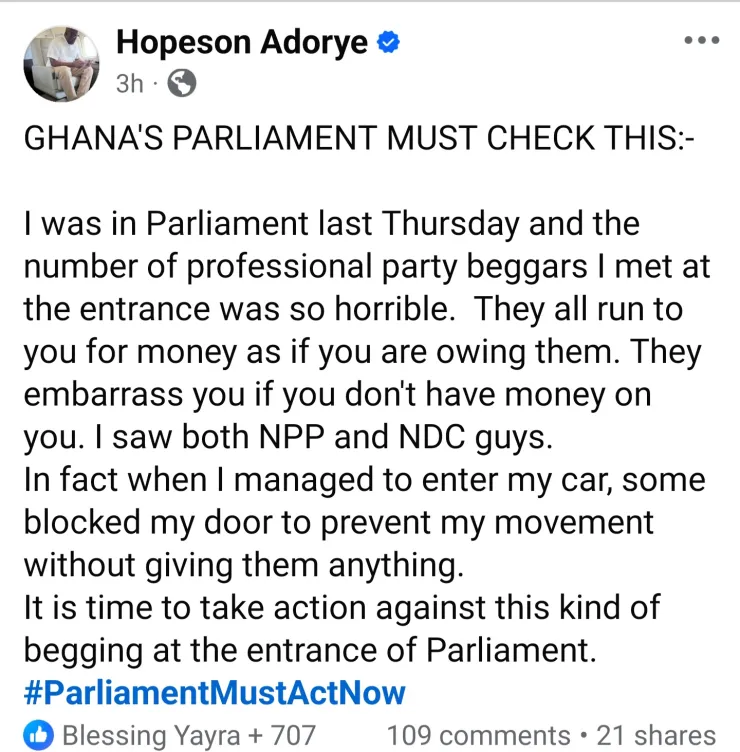
During a visit last Thursday, Adorye encountered individuals claiming to be supporters of both the NPP and NDC. He described the experience as “horrible,” noting that “they all run to you for money as if you are owing them.” The situation grew more tense when he tried to leave, as he claimed some people “blocked my door to prevent my movement without giving them anything.”
This incident raises significant questions about security and the public image of Parliament House. When the entrance to a national landmark becomes a site for aggressive begging, it reflects a deeper socio-economic struggle. Many are now wondering if this is a systemic issue that requires more than just a simple security crackdown.
Adorye is now calling for immediate intervention to restore order and decorum. Using the hashtag #ParliamentMustActNow, he urged the institution to take a firm stand against these practices. It remains to be seen how the parliamentary administration will respond to these public concerns.