

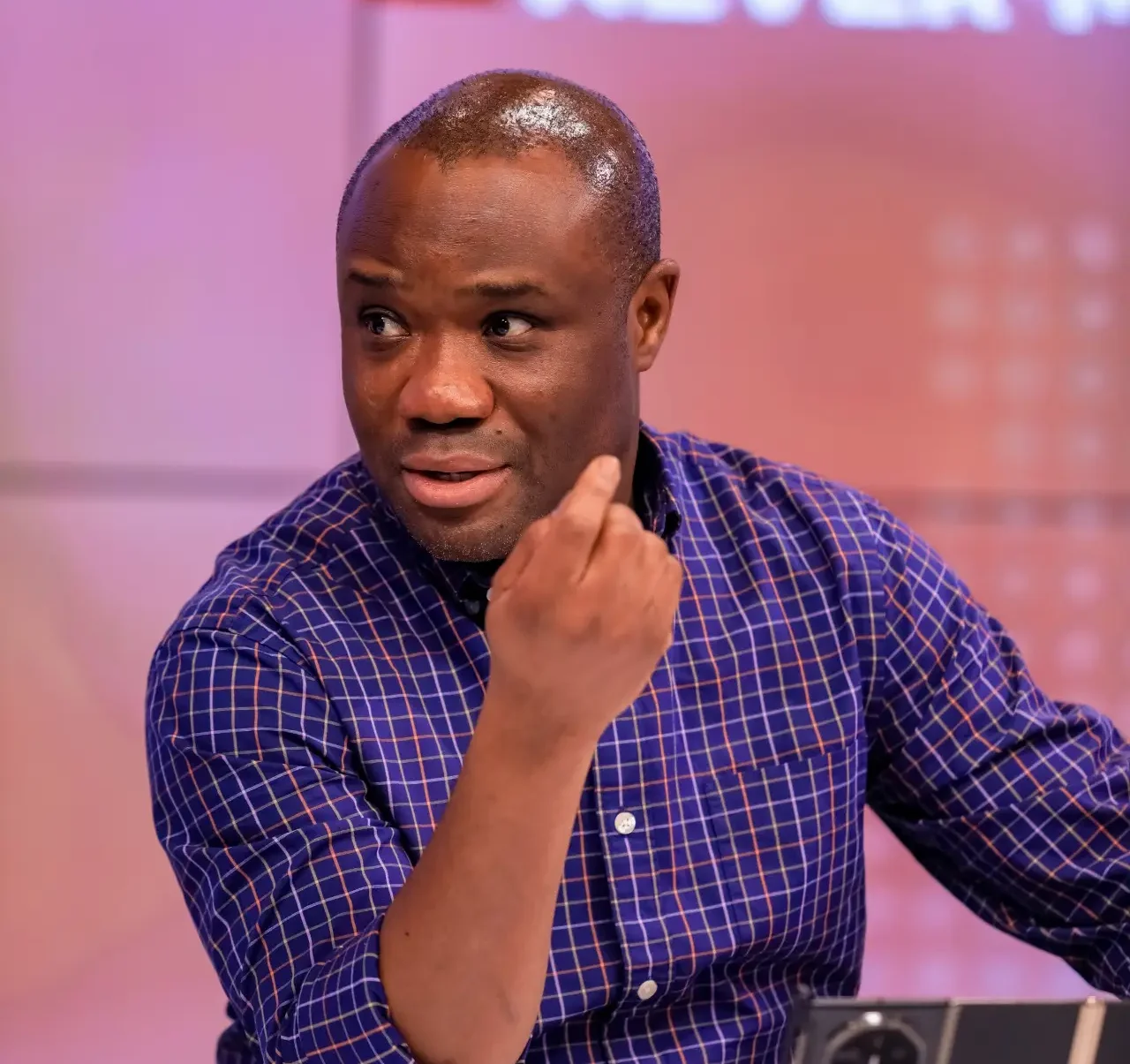
The concept of accountability in governance often sparks heated debate, especially when campaign promises clash with real-world implementation. Recently, comments made by Felix Kwakye Ofosu, a former Minister of State in Charge of Government Communications, have reignited discussions surrounding the interpretation and execution of political pledges. His remarks center on the acronym ‘ORAL’, understood within a specific political context, and its potential misuse to justify actions beyond the bounds of the law. The controversy highlights the delicate balance between fulfilling electoral mandates and upholding the rule of law.
The crux of the issue lies in the interpretation of ‘ORAL’ as a commitment to certain actions while in power. According to Kwakye Ofosu, the understanding of this commitment did not extend to authorizing or condoning extrajudicial measures. This distinction is crucial, as it underscores the importance of adhering to legal frameworks even when pursuing politically motivated objectives. The former minister’s statement implies a concern that the promise of ‘ORAL’ may have been misconstrued or deliberately twisted to legitimize activities outside the purview of the legal system.
The debate raises fundamental questions about the responsibility of political leaders to ensure that their pronouncements are not misinterpreted or exploited. It serves as a reminder that vague or ambiguous language can have far-reaching consequences, potentially leading to abuses of power. The need for clarity and precision in political communication is paramount, especially when dealing with sensitive or controversial issues. Without clear boundaries, political promises can be weaponized to justify actions that undermine the very principles of justice and fairness.
Ghana’s political landscape is no stranger to heated debates and accusations of wrongdoing. In this particular case, the comments from Kwakye Ofosu shed light on a potential disconnect between the intended meaning of a political promise and its actual implementation. The public discourse that follows such pronouncements is vital for maintaining transparency and accountability within the government. Citizens have a right to understand the scope and limitations of political pledges, and to hold their leaders accountable for any deviations from ethical and legal standards.
Ultimately, the ‘ORAL’ controversy serves as a cautionary tale about the power of language in politics. It reinforces the need for thoughtful deliberation and responsible communication from political leaders. Moving forward, it will be important for all stakeholders to engage in constructive dialogue to ensure that campaign promises are not used as a pretext for violating the rule of law. By upholding these principles, Ghana can strengthen its democratic institutions and foster a more just and equitable society.
The incident also underscores the role of media platforms in dissecting complex political narratives and providing context to the public. Laud Nartey, a current affairs editor at Media General, plays a vital role in bringing these stories to light through TV3 Ghana, 3News, and Onua TV. The media’s ability to analyze and present information objectively is crucial for informed public discourse and holding power accountable.
The debate ignited by Kwakye Ofosu’s statement extends beyond the specifics of ‘ORAL’. It taps into broader concerns about the limits of political power and the importance of safeguarding fundamental rights and freedoms. This incident should spur further discussions on ethical governance, accountability, and the crucial role of the judiciary in ensuring that no one is above the law.
As Ghana continues to navigate its democratic journey, it is essential to foster a culture of transparency, accountability, and respect for the rule of law. The ‘ORAL’ controversy provides a valuable opportunity for reflection and a renewed commitment to upholding these principles in all aspects of governance. Only then can the nation truly realize its potential as a beacon of democracy and justice in Africa.