
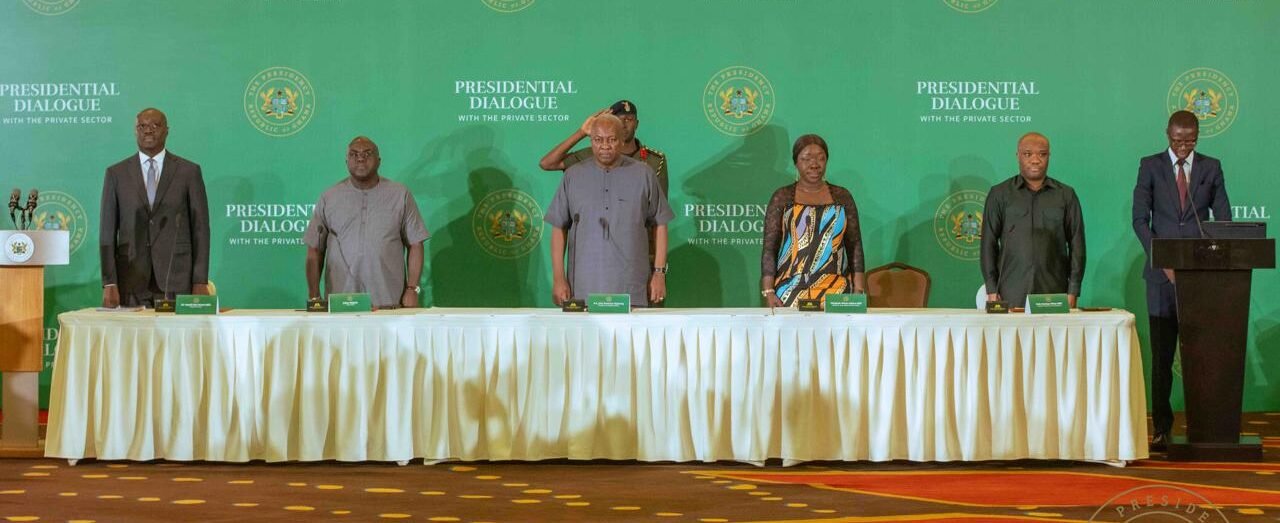
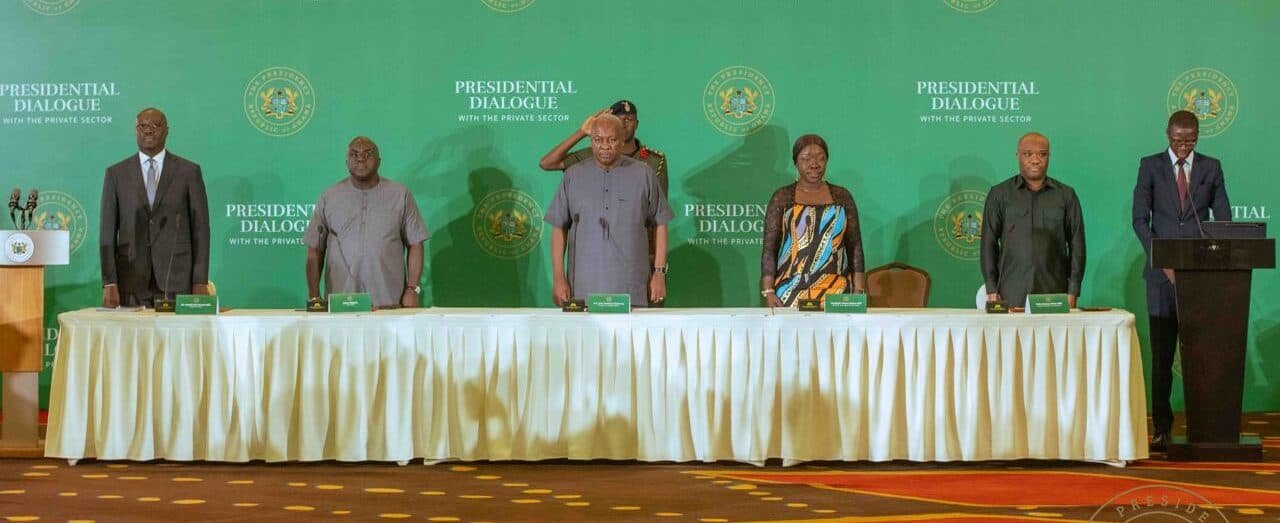
Former President John Dramani Mahama recently convened a high-profile dialogue with key figures from Ghana’s private sector. The meeting, captured in a series of photographs, signaled an effort to bridge the gap between political leadership and the engines of the nation’s economy. But does this engagement translate into tangible action and renewed optimism for businesses navigating a challenging economic landscape?
The discussions centered around critical issues facing Ghanaian businesses, including access to finance, regulatory hurdles, and the overall investment climate. Representatives from various sectors, including manufacturing, agriculture, and technology, voiced their concerns and presented proposals for fostering growth and innovation. Mahama listened intently, promising to champion their cause and advocate for policies that support private sector development.
Analysts suggest that such dialogues are crucial for fostering trust and collaboration between the government and the business community. However, they also caution that these interactions must be followed by concrete policy changes and effective implementation to yield meaningful results. The private sector needs more than just words; it needs a stable and predictable environment conducive to investment and long-term planning.
One key area of concern raised during the meeting was the high cost of borrowing and the limited availability of credit for small and medium-sized enterprises (SMEs). Participants urged the government to explore innovative financing mechanisms and incentivize banks to lend to SMEs, which are the backbone of the Ghanaian economy. Streamlining bureaucratic processes and reducing red tape were also identified as priorities for improving the ease of doing business.
Beyond the immediate economic challenges, the dialogue also touched upon the need for long-term strategic planning and diversification of the Ghanaian economy. Participants emphasized the importance of investing in education, skills development, and infrastructure to create a more competitive and resilient economy. The focus was on creating an environment where Ghanaian businesses can thrive both domestically and internationally.
The meeting served as a platform for open and frank discussions, but the real test lies in the actions that follow. Whether this dialogue will translate into meaningful change remains to be seen, but it represents a crucial step towards building a stronger partnership between the government and the private sector. The success of Ghana’s economic future hinges on their ability to work together effectively.
Ultimately, the private sector left the meeting with a cautious sense of optimism. They are hopeful that the former president’s commitment will spur action and create a more enabling environment for businesses to flourish. Only time will tell if this dialogue will be remembered as a turning point or just another fleeting moment in Ghana’s economic journey.