
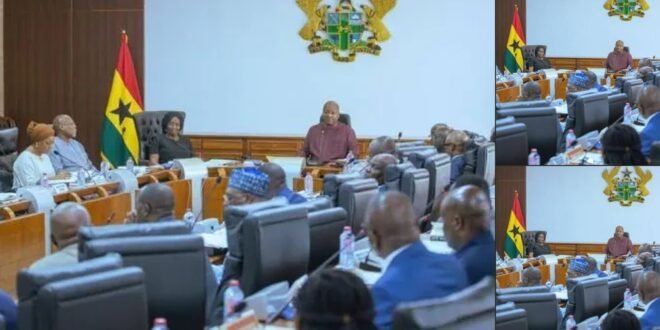
President John Dramani Mahama recently called an emergency Cabinet meeting to address the growing economic pressure on Ghanaian households. With fuel prices climbing, the government is stepping in to provide immediate relief and tighten its own belt. It’s a move that signals a sense of urgency in managing the cost of living for the average citizen.
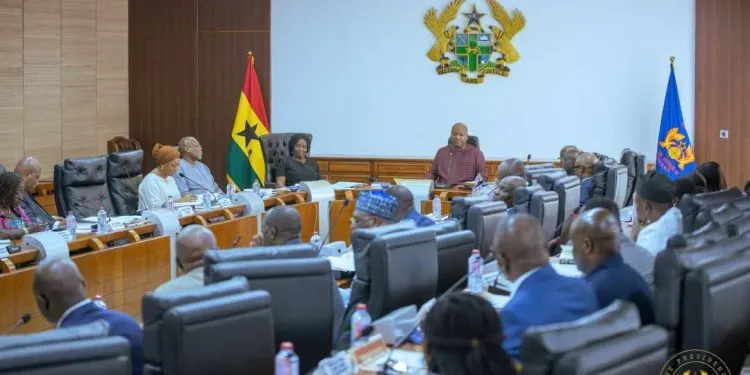
This session followed the President’s official visit to France, returning to a domestic landscape strained by inflation. The surge in fuel costs isn’t just a local glitch; it’s tied to global tensions affecting key oil supply routes. These international pressures have pushed up crude prices and insurance costs, making the situation a complex challenge for the administration.
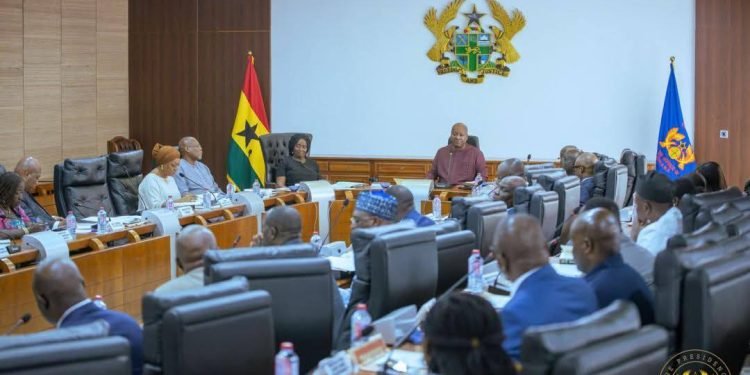
To combat this, the Cabinet decided to remove selected taxes and margins on petroleum products to lower prices at the pumps. This relief window is expected to last for about four weeks before the government reviews the conditions. Simultaneously, the President reaffirmed a directive to stop fuel coupons and allowances for ministers and senior government appointees.
By cutting perks for high-ranking officials, the government aims to show that the burden of economic hardship is being shared. This renewed focus on fiscal discipline suggests a shift toward more cautious public spending to maintain stability. The goal is to protect consumers while ensuring the state doesn’t overspend during a volatile period.
While the tax cuts provide a short-term cushion, the long-term solution depends largely on global market stability. The administration is balancing immediate public needs with the necessity of tighter financial controls. Moving forward, the success of these measures will likely depend on how effectively the government manages its internal spending.