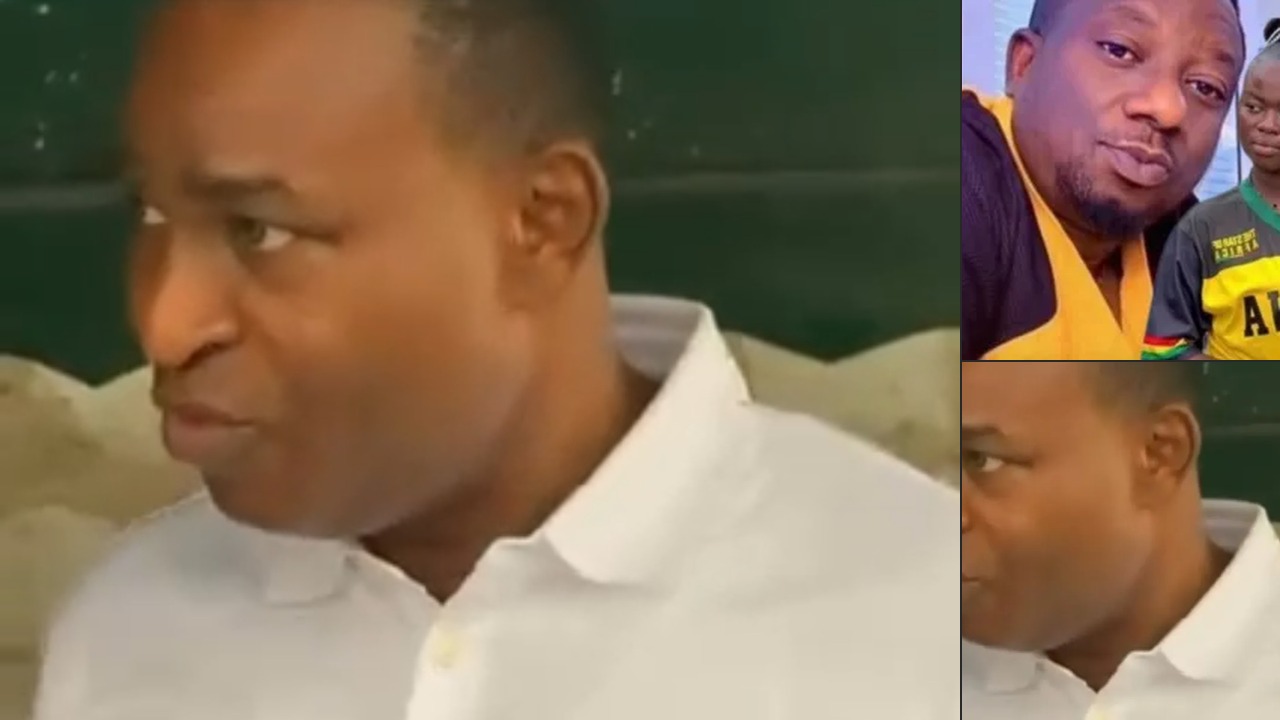
A high-profile legal battle has sparked a heated debate over where law ends and politics begins. The conviction of Bernard Antwi Boasiako, known as Chairman Wontumi, has left many questioning the nature of justice in Ghana. Professor Kwadwo Appiagyei Atua is now urging a shift in how the public discusses these criminal verdicts.
Chairman Wontumi, the NPP’s Ashanti Regional Chairman, recently received a 20-year prison sentence for his involvement in illegal mining. In response, the New Patriotic Party described him as a political prisoner. This label suggests the conviction was a result of persecution rather than a legal failure.

Professor Appiagyei Atua, an expert in International Law at the University of Ghana, strongly disagrees with this characterization. Speaking on JoyNews, he stated, “I think NPP went below the belt by drawing that conclusion.” He argues that political language shouldn’t be used to overwrite the facts established in a courtroom.

The professor believes it’s vital to distinguish between a party’s political opinion and the actual findings of a judge. When a case goes through the full judicial process, the evidence should be the primary focus of the conversation. Using terms like “political prisoner” can undermine the legitimacy of the court’s hard work.
After reviewing the case, the academic expressed confidence in the judicial process. He noted, “Having listened to, well, not much of the discussion going on, but having had the time to read just portions of the judgments, I come to the conclusion that clearly this was a decision that was fairly decided by the courts.” His perspective serves as a reminder to keep legal discourse grounded in fact.