

Imagine navigating the bustling corridors of a new school or university without the benefit of sight. For Selasi Sikanku, a Ghanaian communications specialist and disability advocate, this isn’t a hypothetical scenario; it’s his reality. Selasi’s story is a testament to the power of adaptability, the importance of inclusive education, and the unwavering human spirit. His journey offers profound insights into how we can better support individuals with disabilities in educational and social environments.
Selasi’s educational path began at Okuapeman Secondary School, an integrated institution that fostered interaction between sighted and visually impaired students. He emphasizes that the structured integration within the school was instrumental to his success. Teachers played a vital role in educating the broader student body about the needs and experiences of their visually impaired peers, fostering a culture of understanding and support. This proactive approach minimized initial awkwardness and encouraged genuine connection.
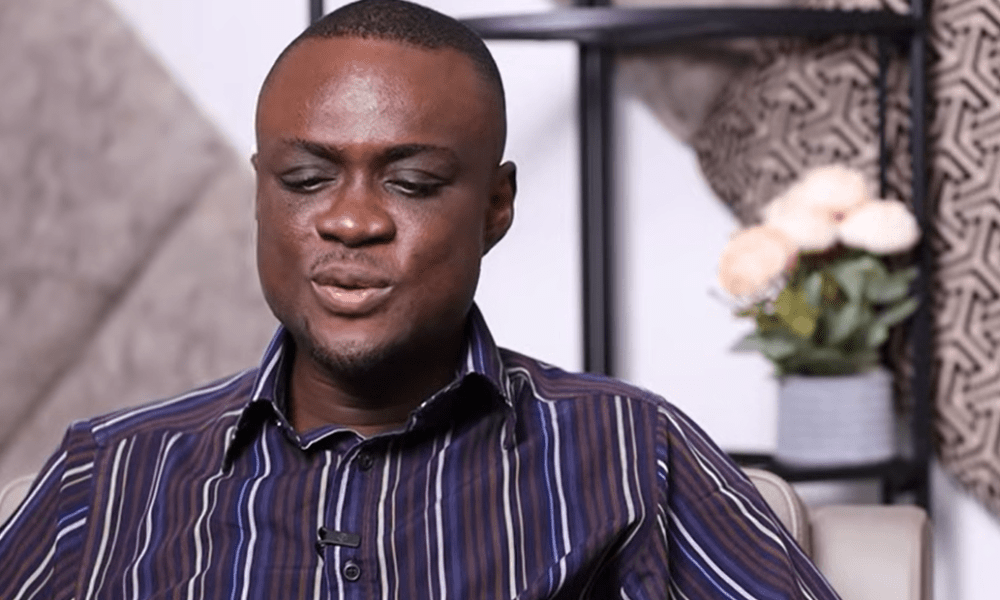
One key element of Selasi’s success was the support he received from his peers. In a time before assistive technologies were readily available, sighted students stepped in to read notes and textbooks aloud. This collaborative effort not only facilitated Selasi’s learning but also created a strong sense of community and mutual reliance. The willingness of his peers to bridge the gap highlights the profound impact of empathy and practical assistance.
After completing secondary school, Selasi embarked on higher education at the University of Ghana, Legon, pursuing studies in Political Science and Sociology. Adapting to the university environment presented its own unique challenges, yet Selasi demonstrated remarkable resilience. He developed a system for quickly familiarizing himself with new spaces, focusing on essential areas like dining halls, gathering spots, and lecture rooms.
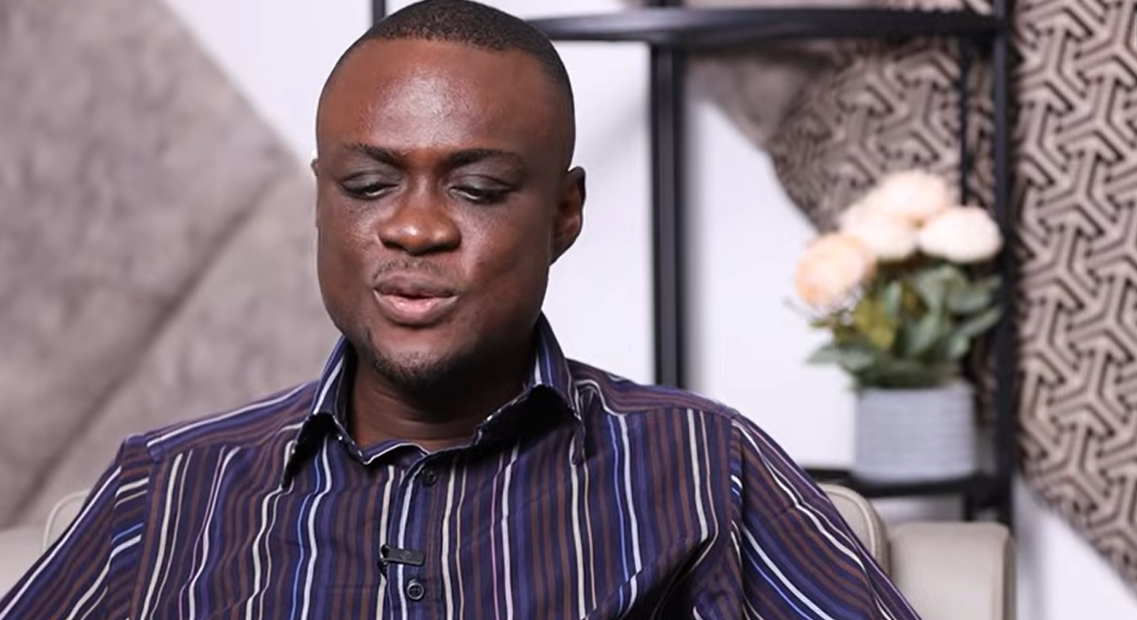
Selasi emphasizes that within a mere three days, he can typically master his immediate surroundings. He prioritizes identifying key locations and establishing a mental map, which allows him to navigate with confidence. This rapid adaptation is a testament to his focus, determination, and ability to create order within unfamiliar environments. His approach serves as an inspiring example of how individuals can overcome obstacles and thrive in new settings.
Selasi’s story extends beyond personal triumph; it underscores the crucial need for accessible and inclusive educational environments. His experiences highlight the benefits of integrating students with disabilities into mainstream schools, fostering understanding and breaking down barriers. By promoting empathy, providing necessary support, and encouraging peer collaboration, we can empower all students to reach their full potential.

The insights shared by Selasi offer invaluable lessons for educators, policymakers, and communities alike. Creating a truly inclusive society requires a collective effort to remove physical and attitudinal barriers. Selasi’s advocacy work underscores the importance of ongoing dialogue, resource allocation, and a commitment to ensuring that all individuals have the opportunity to thrive, regardless of their abilities. His life stands as a beacon of hope and a call to action.
Ultimately, Selasi Sikanku’s journey reminds us that adaptation, integration, and peer support are powerful tools for success. His story is not just about overcoming blindness; it’s about illuminating the path for others and building a more inclusive world, one step at a time. His example encourages us to embrace diversity, challenge assumptions, and create spaces where everyone can flourish.