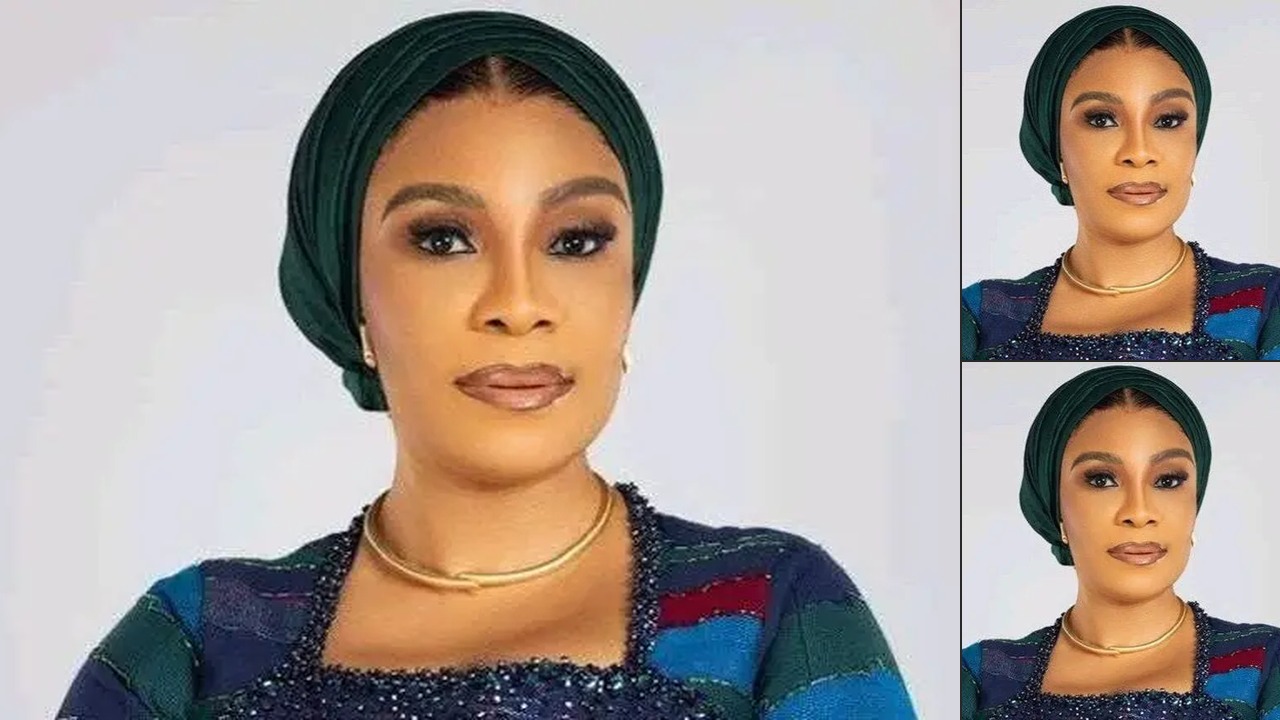
Ghanaian cinema is at a crossroads between global aspiration and local authenticity. Filmmaker Selassie Ibrahim is calling on her peers to stop mimicking foreign styles and instead lean into the unique cultural identity of Ghana. This shift isn’t just about pride; it’s a strategic move to capture the attention of global streaming giants.
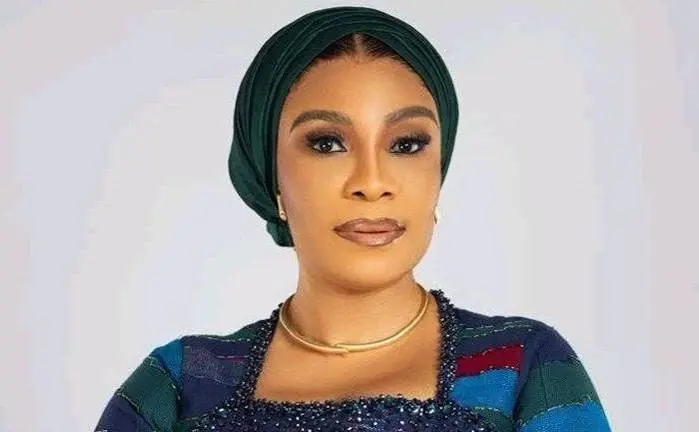
For years, many local productions have attempted to mirror the polished look and feel of Hollywood to appeal to a wider audience. However, this approach often results in stories that feel displaced or generic. Ibrahim believes that trying to compete on American terms is a losing game because the world already has plenty of original US content.
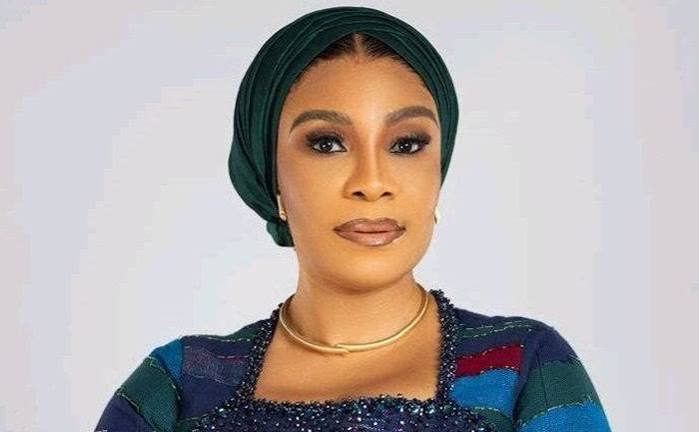
During a recent industry event, Ibrahim highlighted a specific appetite for cultural specificity among international distributors. She noted that “Netflix will buy content with 70% to 80% local dialect… They want you to be yourself. They want you to tell your own story.” She warned filmmakers against producing lower versions of Western films, stating, “Don’t go and be telling American stories in Ghana. If they want to watch American movies, my dear, they speak better English.”
The goal for Ibrahim is ambitious: she hopes to help bring 200 Ghanaian films to international markets and festivals. By prioritizing local languages and traditions, filmmakers can offer something truly unique that cannot be found elsewhere. This approach transforms local identity from a limitation into a competitive advantage in the global marketplace.
Ultimately, the message is one of confidence and boldness in storytelling. Ibrahim encourages her colleagues to resist foreign trends and embrace the richness of their own heritage. As she put it, “Tell your stories boldly. Be Ghanaian.”