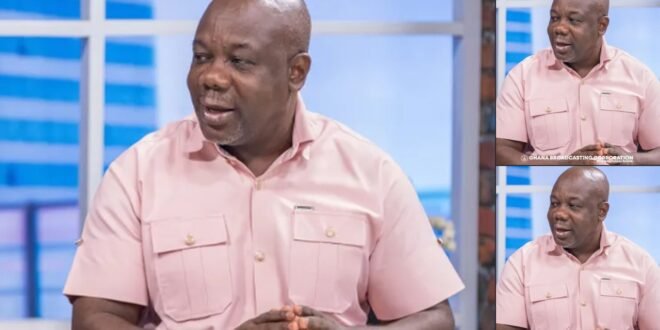
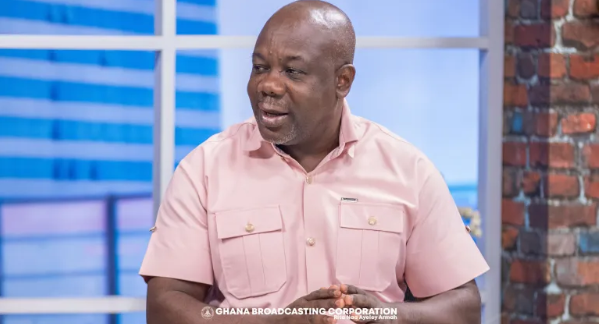
A heated debate on TV3’s New Day has highlighted a sharp divide over how Ghana’s cost of living is measured. Theophilus Dzimega, a lawyer and member of the NDC Communication Team, challenged the notion that domestic airfare is a fair benchmark for economic hardship. This clash with Ibrahim Bashiru underscores a larger argument about which expenses truly impact the average citizen.
The discussion centered on whether the rising cost of flights represents a broader economic crisis or is simply a luxury concern. While some argue that air travel prices reflect inflation, others believe these figures are misleading. For many Ghanaians, the daily struggle isn’t about flights, but about the basic costs of getting around and keeping the lights on.
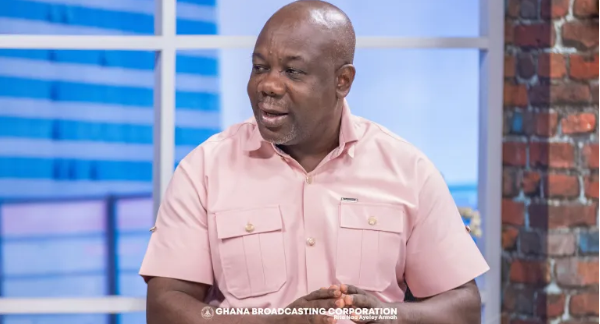
Dzimega pointed out that air travel is a choice with various price points and practical alternatives. He noted, “If you decide this morning to go to the airport and say that you want to travel to Tamale, you might even get Ghc6,000. There’s a way to book flights and get cheaper tickets.” He further suggested that road travel remains the primary option for most, stating, “You could have gone by bus. Coaches go every day.”
By dismissing airfare as a primary indicator, Dzimega argues that the political conversation is focusing on the wrong metrics. He believes the real story lies in the prices of fuel, utilities, and general transport costs that affect everyone. Shifting the focus to these indicators would provide a more accurate picture of the economic pressure facing ordinary households.
This exchange reflects a common tension in Ghanaian political discourse, where the definition of the common man’s struggle is often contested. While airfare may be a talking point for some, the reliance on road transport remains a reality for the majority. The debate serves as a reminder that economic benchmarks must align with the lived experiences of the people they aim to describe.