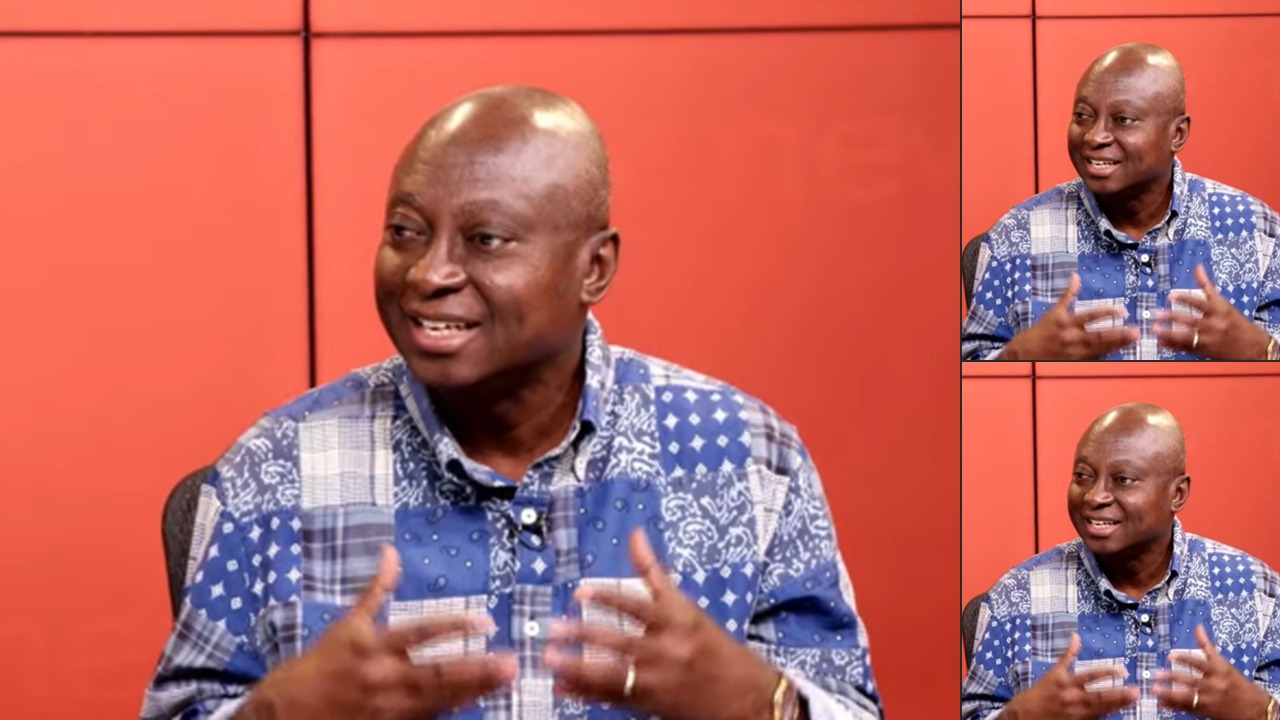
The Ghanaian legal system is facing a tough question about fairness and efficiency. Lawyer Samuel Atta Akyea has raised concerns over whether the courts prioritize politically charged cases over ordinary litigation. This debate follows the recent sentencing of his client, Bernard Antwi-Boasiako, better known as Chairman Wontumi.
Chairman Wontumi was convicted by Justice Audrey Kocuvie-Tay for illegal mining activities on the Samreboi concession. The court handed down a significant 20-year custodial sentence along with a fine of 10,000 penalty units. If the GH¢120,000 fine isn’t paid, Wontumi faces an additional three years in prison.
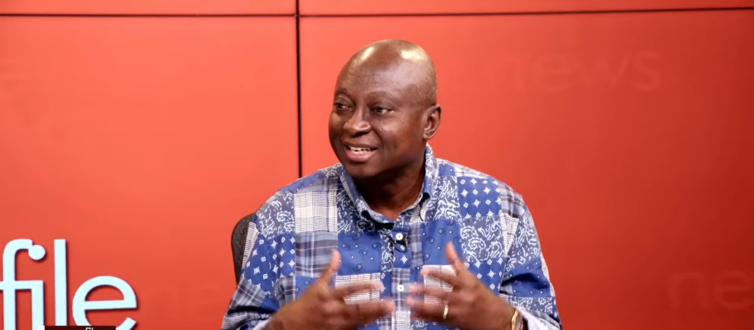
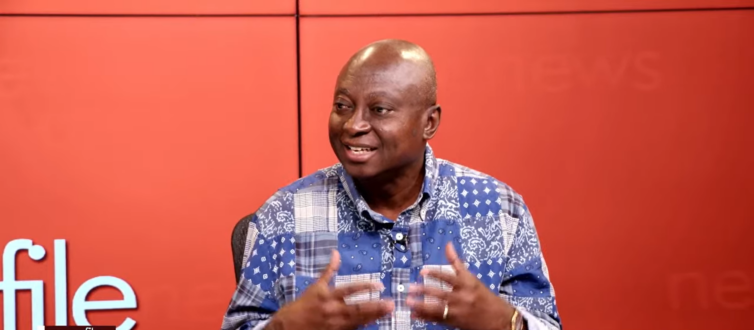
Speaking on JoyNews, Atta Akyea suggested that the speed of these trials creates a skewed public perception. He noted, “It is ministering to the generality of our people that let’s do an ambulance trial relative to political cases.” He contrasted this urgency with the slow pace of civil land disputes, where hearings often have long intervals.
This disparity in judicial energy suggests a systemic imbalance that could affect how justice is administered in Ghana. Atta Akyea questioned, “Are the judges giving their energies to political criminal cases? But the rest of the cases, whether civil or other criminal cases, don’t receive the same attention.” Such observations highlight a growing concern about the equitable distribution of court resources.
The tension between high-profile criminal prosecutions and slow-moving civil litigation is a recurring theme in legal circles. While the state seeks to crack down on illegal mining, the efficiency of the process remains under scrutiny. The outcome of these discussions may eventually influence how the judiciary manages its heavy caseload.