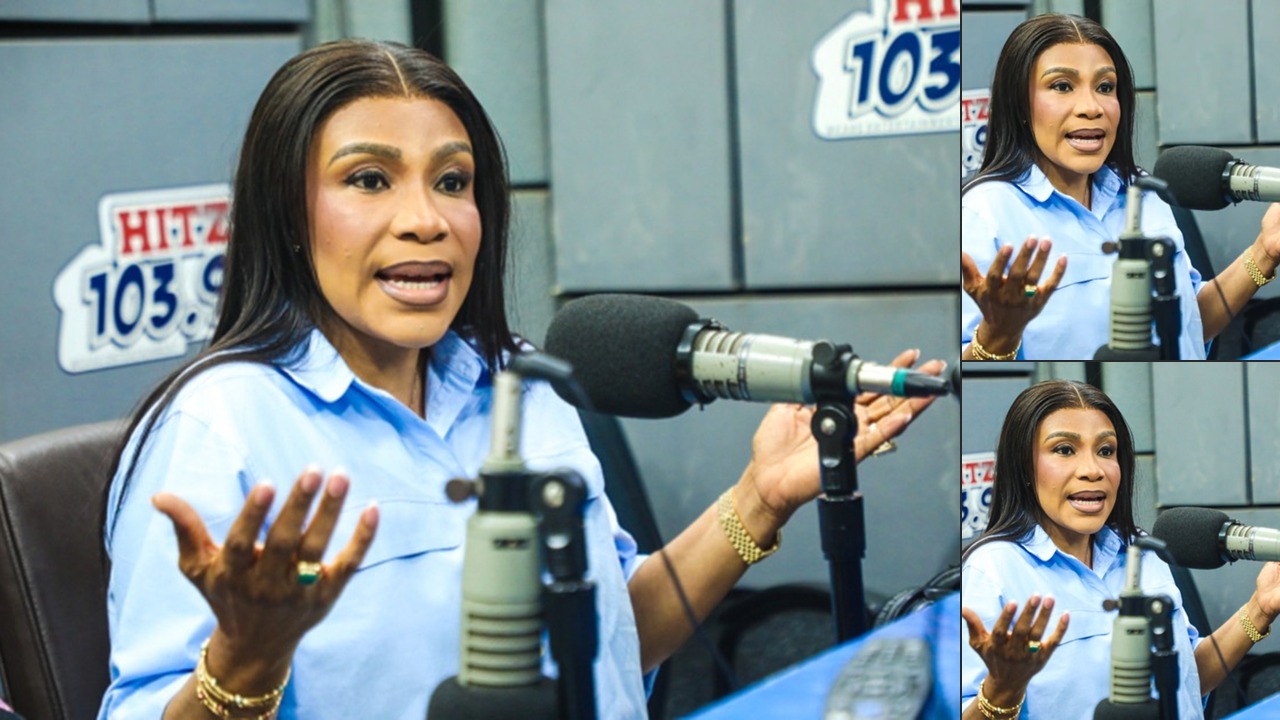
Selassie Ibrahim, a veteran of the screen and behind the camera, is sounding an alarm for Ghana’s creative community. During a recent industry gathering, she urged filmmakers to stop relying on borrowed cultural markers from neighboring countries. Her message is simple: for a story to truly resonate, it must be authentically Ghanaian.
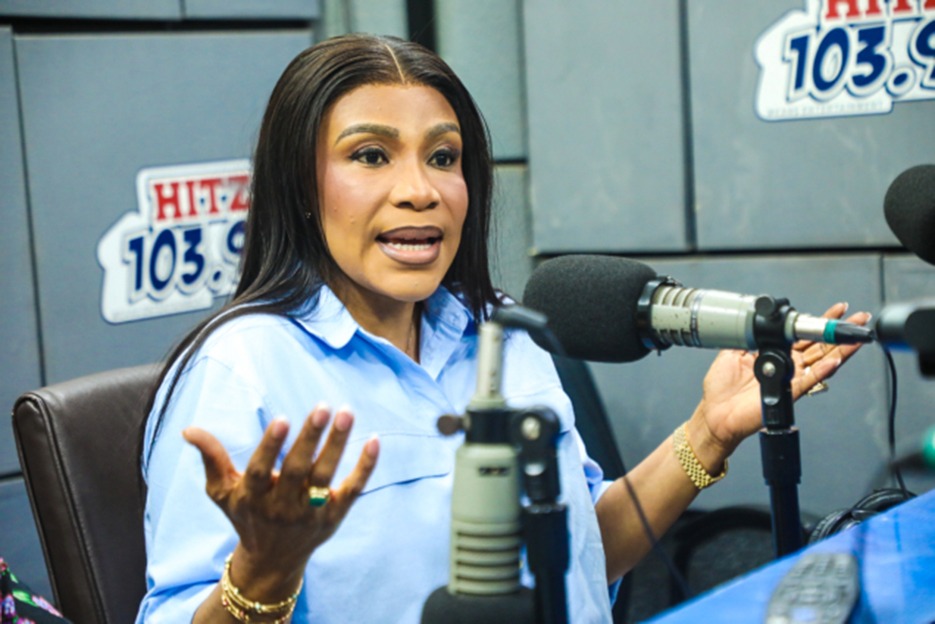
The tension often arises from the massive influence of Nigeria’s film industry, which frequently sets the tone for West African cinema. While collaboration is valuable, Ibrahim believes that blending distinct cultural identities creates a blurred image of what Ghana actually is. This trend risks erasing the unique traditions that make local stories worth telling.
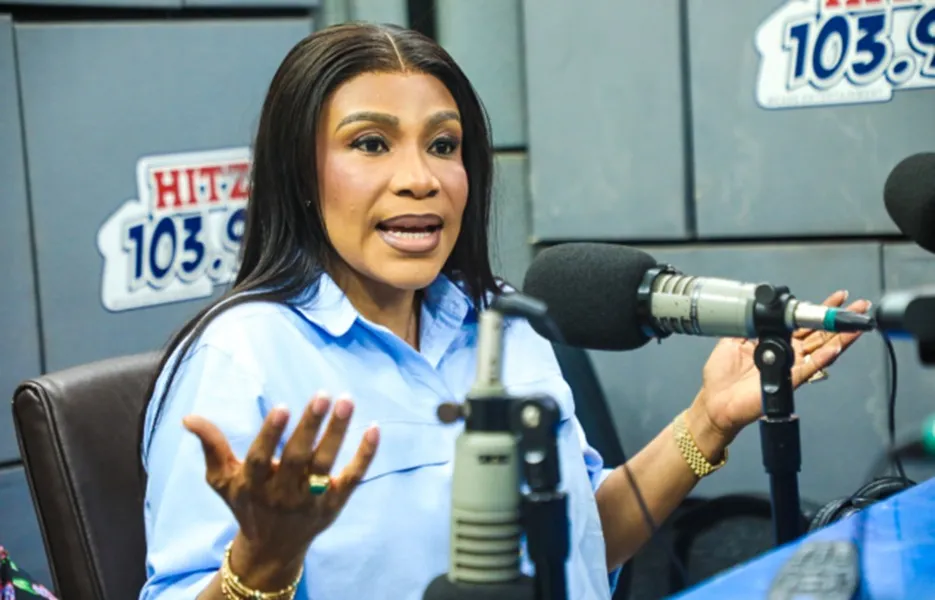
Ibrahim didn’t mince words when addressing the issue of costume and presentation. She pointedly asked, “You cannot be telling a Ghanaian story and dress like a Nigerian Igbo man. Are you okay?” She further emphasized the need for boundaries, stating, “Nigeria will not come and tell your stories for you. We will not tell their stories for them.”
This isn’t just about pride; it’s a matter of business and global reach. Ibrahim noted that international distributors scrutinize these cultural details before deciding to acquire or pitch a movie. If the authenticity is missing, the film loses its value as a unique cultural export.
Preserving heritage in cinema allows Ghana to carve out its own space on the world stage. By focusing on genuine costumes, traditions, and dialogue, filmmakers can create work that stands out. The goal is to ensure that when the world looks at Ghanaian cinema, they see Ghana, not a generic version of West Africa.