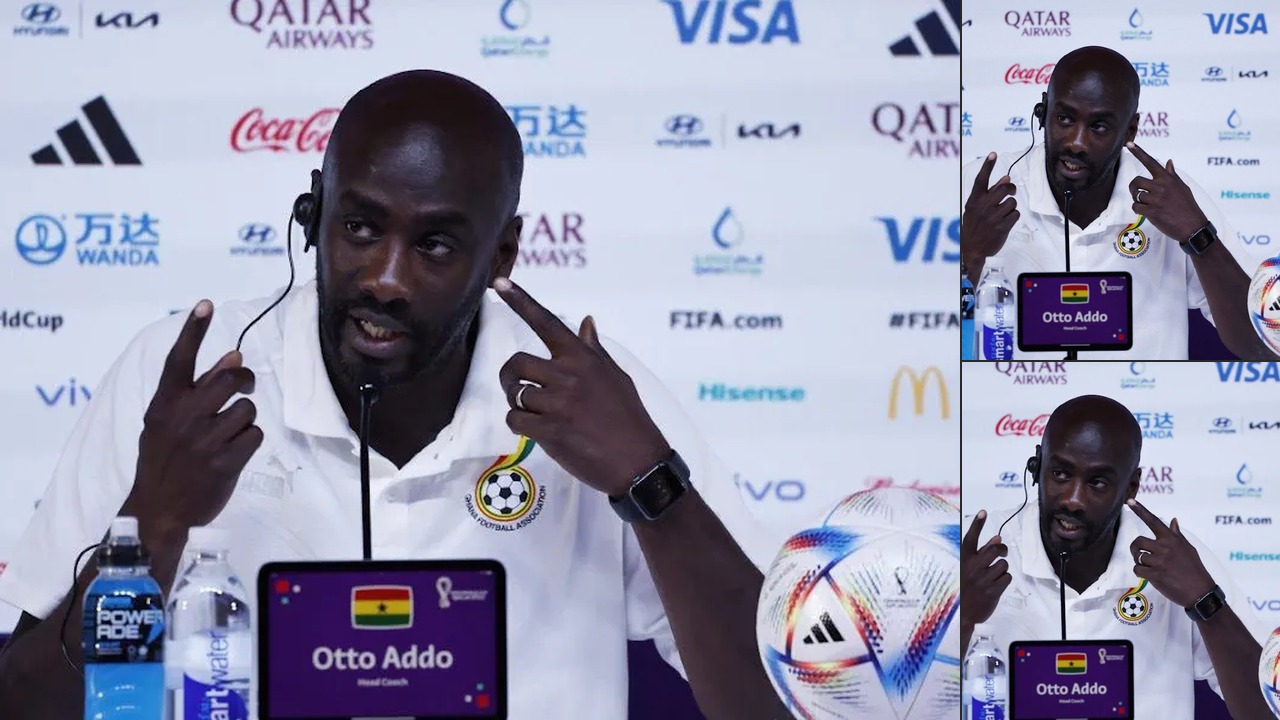
Otto Addo is finally speaking out about the friction that defined his second stint leading Ghana’s national team. The former head coach recently shared that his tenure with the Black Stars was far from smooth, characterized by tension with the football authorities. It’s a revealing glimpse into the internal struggles that often happen behind the scenes of high-stakes international football.
The relationship between a national coach and their federation is usually a delicate balance of power and vision. For Addo, this balance was frequently off, leading to a strained dynamic with GFA President Kurt Okraku and the Executive Council. This environment of instability created a sense of uncertainty that lingered throughout his time in charge.
Speaking with the German publication Fußball, Addo admitted that the lack of communication reached a peak after his dismissal in March 2026. He noted, “Honestly, I still haven’t been given a reason to this day and honestly, I didn’t ask either.” He further described the volatility of his position, stating, “There was, of course, a lot of back-and-forth between me, our federation president, and the board as well. It just felt like I could have been sacked after just one month.”
This admission raises serious questions about the stability and governance of the Ghana Football Association. When a head coach feels their job is at risk after only a few weeks, it’s hard to build a long-term strategy for the team. Fans and analysts are now left wondering how these internal disputes affected the players’ performance on the pitch.
Addo’s experience isn’t unique, as many coaches in the region struggle with federation politics. However, the lack of a formal explanation for his exit highlights a troubling gap in professional conduct. As the Black Stars look to move forward, the lessons from Addo’s tenure may be crucial for whoever takes the helm next.