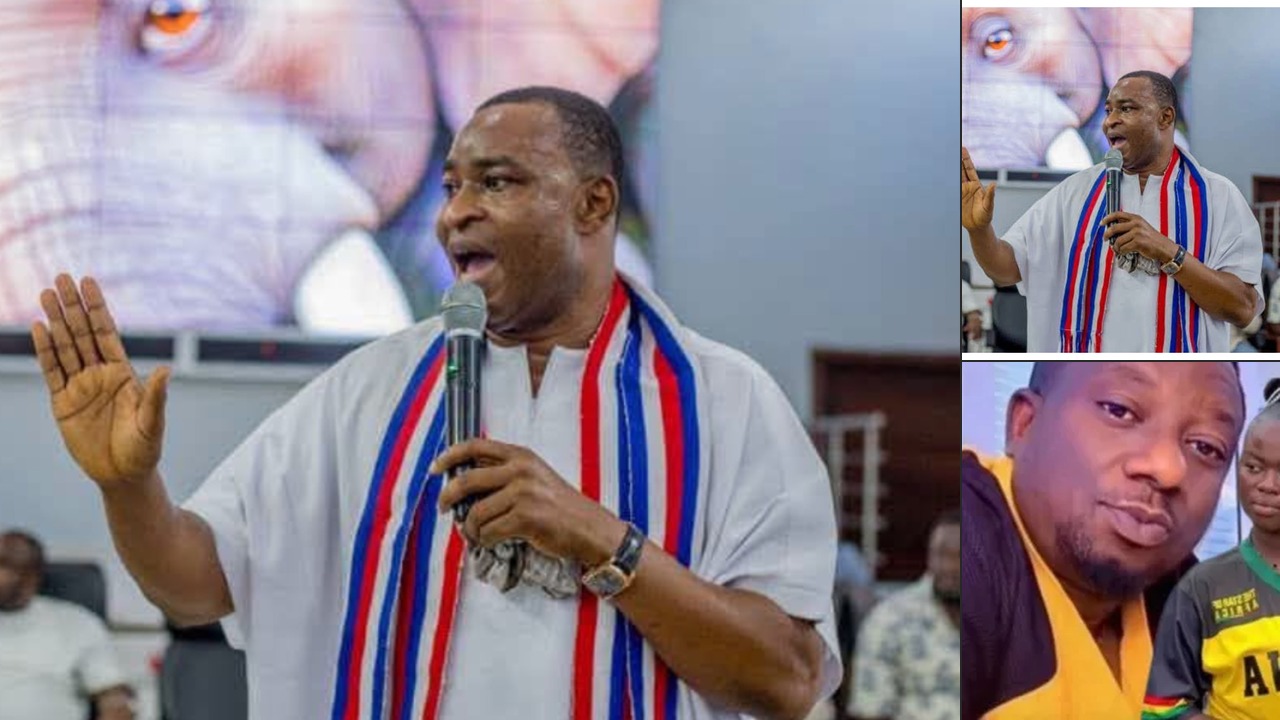
The conviction of NPP Ashanti Regional Chairman Bernard Antwi Boasiako, popularly known as Chairman Wontumi, has sparked a heated debate. Sentenced to 20 years for illegal mining activities, Wontumi’s supporters have claimed he is a victim of political persecution. This situation raises a fundamental question about where criminal justice ends and political targeting begins.
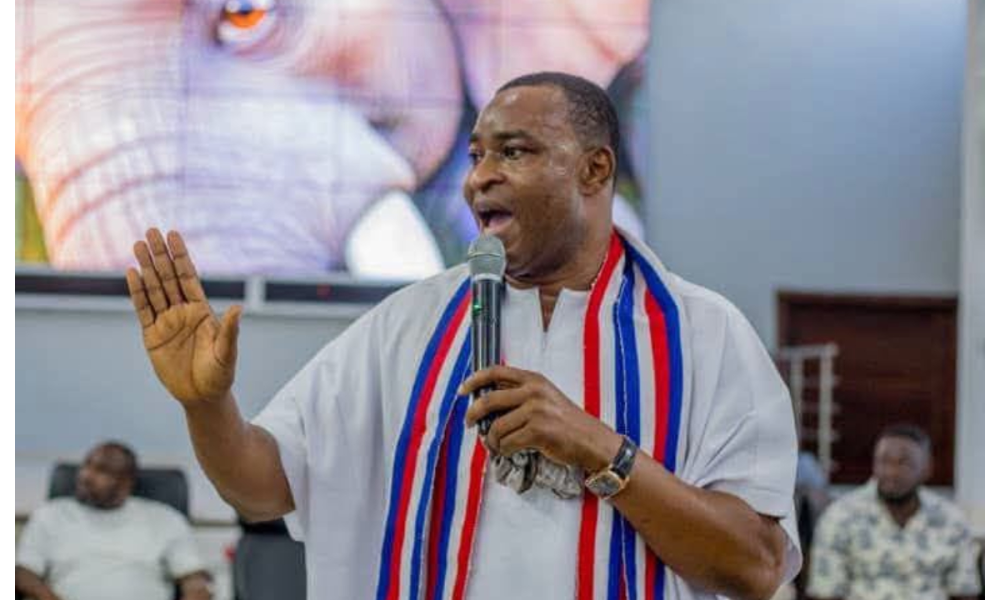
In the wake of the sentencing, the term “political prisoner” has been frequently used to describe Wontumi’s current status. This label often suggests that a person is being punished not for a specific crime, but for their influence or party affiliation. To clear up the confusion, legal experts are now weighing in on the actual definition of the term.
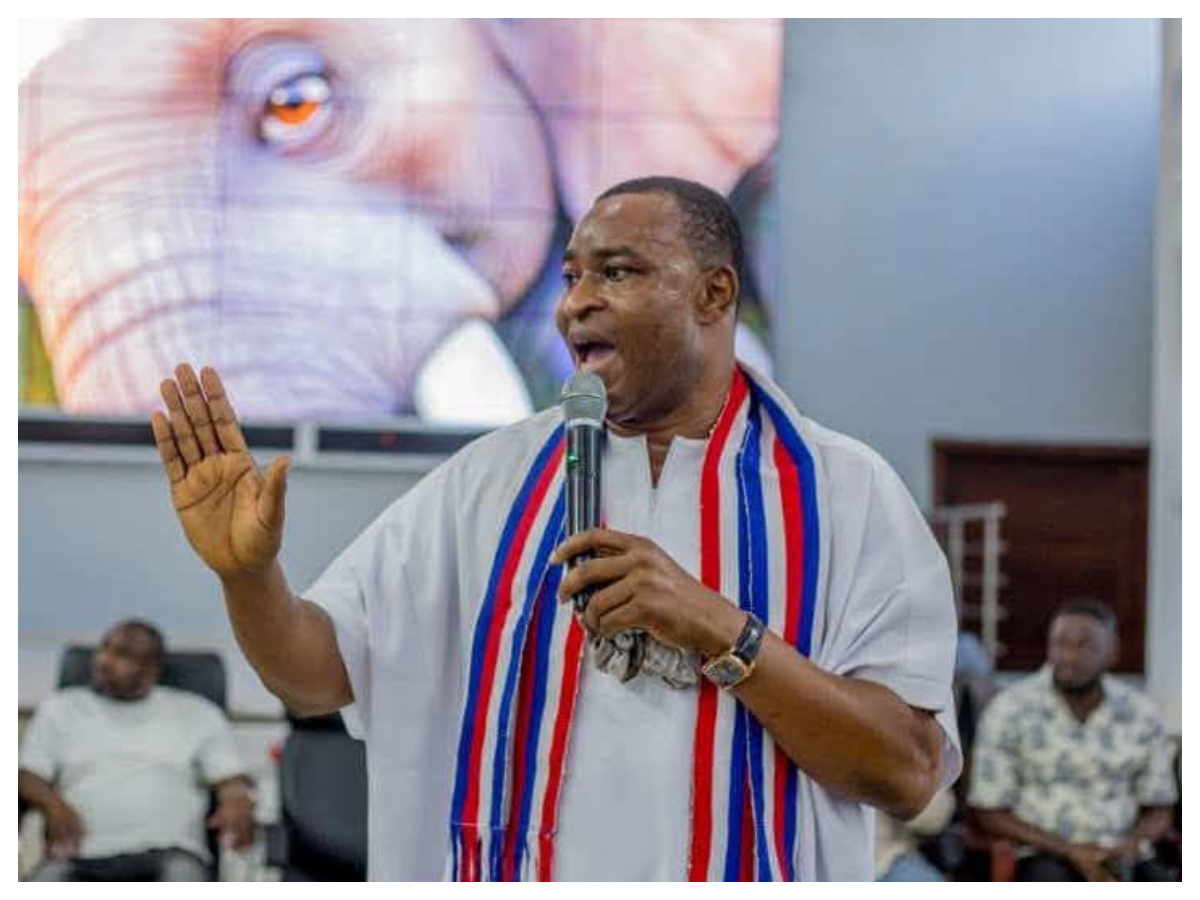
Prof. Kwadwo Appiagyei Atua, a Professor of International Law at the University of Ghana, firmly rejects the notion. He stated, “Not at all. I think the whole idea of a political prisoner is totally blown out of proportion. There is no connection at all between what Wontumi did or what he has done and the claim that he is a political prisoner,” while explaining that such a label applies to those punished for their beliefs.

The professor clarified that true political prisoners are silenced for challenging the status quo rather than for criminal conduct. He noted, “If you are a political prisoner, it means that you have not committed any offence and that you have come up with some thoughts and ideas that challenge the powers that be and therefore you are speaking truth to power and you are challenging orthodoxy… and therefore you are being silenced,” making it clear that criminal convictions for mining don’t fit this mold.
Ultimately, Prof. Atua argues that being hounded or forced into exile for activism is the hallmark of political imprisonment. Since Wontumi was found guilty of specific criminal offenses, the professor concludes, “So there is no way that we can term Mr Wontumi’s case as a case of political prisoners, not in any sense at all.” This distinction serves as a reminder of the difference between legal accountability and political silencing.